
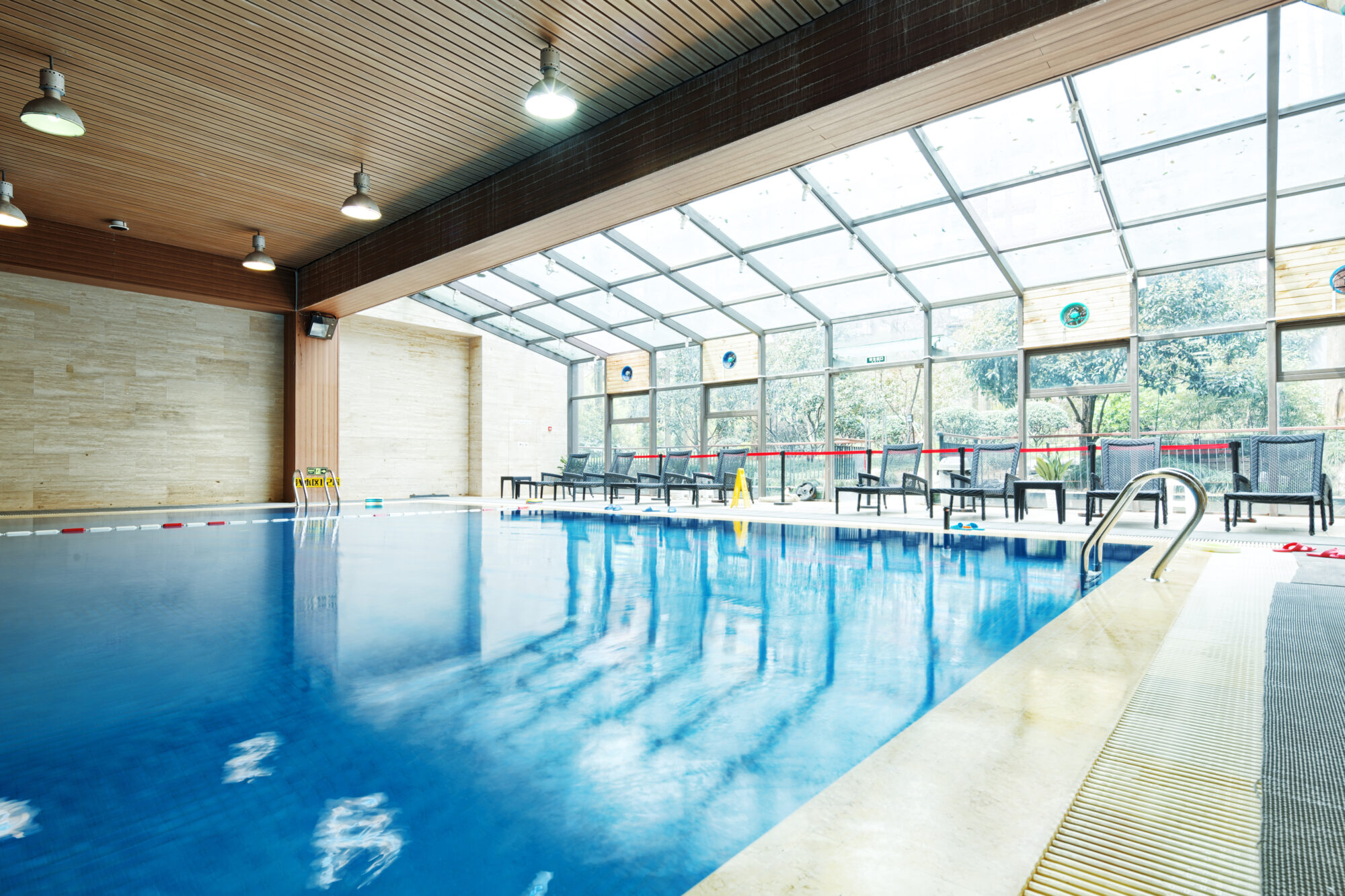
Leisure centres, gyms, swimming pools and sports facilities are used by large numbers of people every day. Visitors may be arriving for swimming lessons, gym sessions, exercise classes, children’s activities, sports clubs or community events, and they expect the building to feel clean and well managed from the moment they arrive.
Why External Glass Matters
External glazing has an immediate effect on how a leisure centre is judged. Clean windows, entrance doors and glazed façades help the site feel brighter and better maintained, while marked or stained glass can create a poor impression before visitors even reach reception.
This matters because the outside of the building forms part of the visitor experience.
The UK Government’s National Design Guide states that a building’s appearance helps determine the visual impression it makes, including its external form and details. For leisure centres, regular external window cleaning helps maintain that impression and supports a professional, cared-for environment.
Supporting Natural Light And Visibility
Glass can quickly lose clarity when dirt, water marks, traffic film, bird fouling or mineral deposits build up. This is often most noticeable on main entrances, poolside glazing, car park-facing elevations and façades near busy roads or landscaped areas.
Planned external glass cleaning helps keep these areas presentable before staining becomes obvious to visitors or starts to affect the overall appearance of the site.
When Glass Becomes Marked
Glass can quickly lose clarity with accumulated dirt, water marks, traffic film or residue. This is especially noticeable on large entrances, poolside glazing and façades facing car parks or busy roads.
Planned external glass cleaning helps maintain a clearer appearance and keeps glazing from becoming a visible maintenance issue.
Common Challenges For Leisure Centre Glazing
Leisure centres can place different demands on external glass compared with standard office or retail buildings.
The combination of high footfall, long opening hours, pool environments and weather exposure means cleaning schedules need to be practical and site specific.
Moisture Around Swimming Pools
Leisure centres with swimming pools have different factors to consider for window cleaning.
Pool areas are naturally humid environments. Moisture, condensation and temperature changes can affect windows, frames and surrounding surfaces. External glazing may also be exposed to weather, pollution, mineral deposits and dirt from nearby paths or landscaped areas.
HSE guidance on swimming pool management is aimed at those responsible for the operation and management of swimming pools. They have a range of high quality and relevant information for planning cleaning activity around poolside areas, visitor access and wider operational safety.
Daily Public Use
Entrances and public-facing elevations often show signs of use quickly because they are seen by visitors throughout the day.
Fingerprints, splash marks and dirt around doors can affect the appearance of the whole entrance area. Regular cleaning helps prevent these issues from building up.
Public Facilities
Many leisure centres also play an important role in local communities.
The Local Government Association’s Active Communities Hub highlights good practice in the delivery of sport, physical activity and leisure services by councils and their partners. Clean, accessible and well-maintained facilities support their community role.
Planning Cleaning Around Opening Hours
Leisure centres often operate from early morning into the evening, with busy periods across weekdays, weekends and school holidays. This can make commercial window cleaning more complex, especially where work needs to take place near entrances, pool areas, car parks or pedestrian routes.
A planned schedule should consider:
• When visitors arrive for peak periods and scheduled classes
• When swimming lessons, school bookings and community sessions take place
• How people use entrances, car parks and public access routes
• When deliveries, contractor visits and staff movement occur
• Which areas teams should clean during quieter periods
• Whether larger external cleans need out-of-hours access
Some entrance glazing may need regular attention during opening hours. Larger external cleans may be better completed early in the morning, later in the evening or during quieter operating windows.
Areas That May Need More Frequent Cleaning
| Area | Cleaning Consideration |
|---|---|
| Main entrances | High visibility, fingerprints and first impressions |
| Poolside glazing | Moisture, condensation and access restrictions |
| Gym windows | Natural light, visibility and member experience |
| Sports hall glazing | Dust, marks and scheduled maintenance needs |
| External façades | Weather exposure, pollution and overall presentation |
| Walkway and café glazing | Visitor flow, food areas and frequent use |
How Often Should External Glass Be Cleaned?
Cleaning schedules should be reviewed throughout the year rather than set once and left unchanged. Winter weather, summer footfall, school holidays and local events can all affect how quickly glazing becomes marked, particularly around entrances, street-facing windows, reception areas and busy communal spaces.
Condensation should also be considered during colder months, as it forms when warm, moist air meets colder surfaces such as glass, frames or walls. UK Government guidance suggests that poor ventilation and condensation are risk factors for damp and mould. Also, visible mould should be removed while the underlying cause is also addressed.
Practical steps can include keeping trickle vents open where fitted, using extractor fans in kitchens, washrooms and changing areas, avoiding blocked ventilation routes, wiping away persistent moisture from internal sills and reviewing heating patterns in colder months. Energy Saving Trust guidance shows that damp and mould can form when excess moisture builds up and recommends reducing moisture while improving ventilation.
High-Visibility Areas
Pool buildings, large glazed entrances and public-facing elevations may need additional attention because they are highly visible.
Facilities teams should also consider whether external glass cleaning can be coordinated with façade cleaning, paved area cleaning or entrance cleaning. This can reduce disruption and help keep the whole site looking consistent.
Why Professional Commercial Window Cleaning Matters
Leisure centres need window cleaning services that are safe, reliable and planned around public use. The right approach depends on the building layout, opening hours, access points and the type of glazing being cleaned.
Depending on the site, this may involve:
• Water fed pole cleaning for suitable external glazing
• Low-level window cleaning for entrances and internal glass
• MEWP access for higher or harder-to-reach elevations
• Rope access for specialist access
• Scheduled periodic cleans for larger glazing areas
• Reactive cleaning after weather events, heavy use or visible staining
Cleaning work may affect visitor routes, entrances, pool areas, car parks or shared spaces, so planning is essential. Clear communication with facilities teams helps ensure work is carried out safely, at suitable times and with minimal disruption to visitors.
A professional window cleaning programme also helps keep standards consistent across the whole site. When external glass, entrance doors, façades and internal glazing are cleaned in line with the wider site schedule, the building feels better maintained from the outside through to the main public areas.
Get In Touch
If you are looking for a specialist partner to support external glass cleaning at a leisure centre, sports facility or public building, we can help.
Our teams provide carefully planned commercial window cleaning services that work around opening hours, visitor access and site-specific requirements.
Contact us today to learn more about how we can support your cleaning programme.
Related blog: How Cleaning Supports Building Compliance Beyond Just Hygiene
Related blog: How Pollution Affects Commercial Façades in Central London