
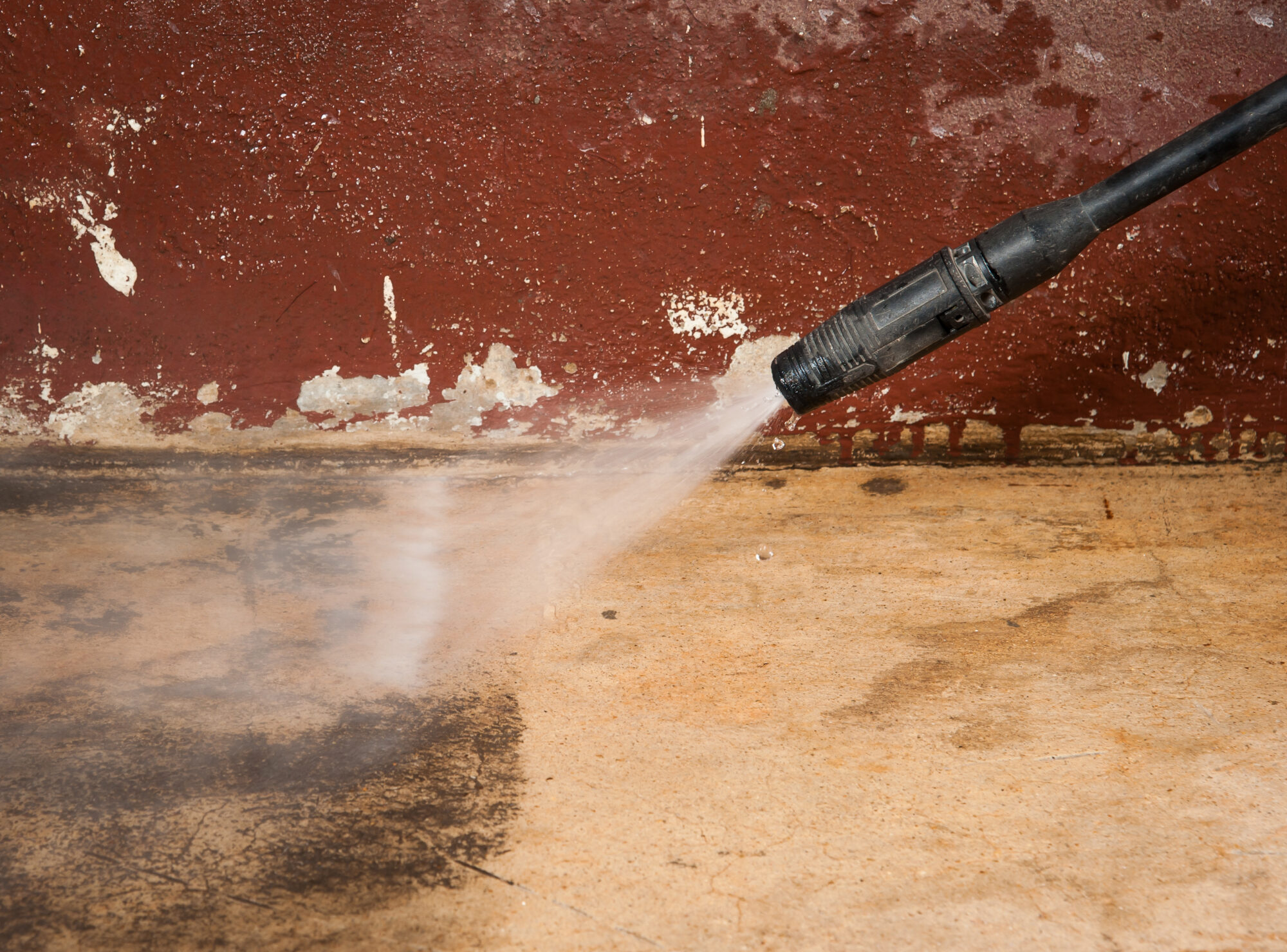
The condition of the surface matters as much as the material itself. Pressure that works well on sound concrete paving may strip coatings, erode mortar or force water through gaps elsewhere, so the area should be inspected before the cleaning method is selected.
Surfaces That Can Be Damaged By Pressure Washing
Surfaces and areas that are likely to be damaged include:
- Historic or weathered masonry
- Brickwork with weak or lime mortar joints
- Roof tiles and natural slate
- Loose paint, damaged render and coated façades
- Soft timber and some composite materials
- Window seals, open vents and damaged frames
- Electrical fittings, equipment and service areas
This does not mean water-based cleaning is always the wrong choice. The surface should be assessed before the method is chosen, with lower pressure or a different cleaning process used where necessary.
Historic And Weathered Masonry
Historic brickwork, soft stone and lime mortar can be permanently damaged by excessive pressure.
A concentrated jet will erode the face of softer bricks or remove material from weakened mortar joints. Water can also enter cracks and open joint weakening the structure and internal strength of the material.
The Brick Development Association advises against pressure washing older brickwork without completing a detailed condition survey. Its cleaning guidance also states that pressure washers should not be used on lime mortar.
Historic England has documented the consequences of repeated pressurised-water cleaning at Cheltenham War Memorial. Over time, the cleaning wore the edges of stone inscriptions and removed some of the mortar used to fill the lettering.
For heritage properties, cleaning should begin with an assessment of the material, its condition and its historic significance. A specialist conservation method may be more appropriate than conventional pressure washing.
Roof Tiles And Slates
High-powered pressure washing can damage the surface of roof tiles and natural slate.
For roof tiles and natural slate a water jet removes protective surface material, or force water beneath tiles where it would not normally enter. Older, cracked or weathered roofing is particularly vulnerable and could cause future leaking.
Roofing manufacturer Marley advises against high-powered jet washing because it can damage tiles and slate and significantly reduce their lifespan.
Roof cleaning also involves access risks that need to be considered separately. Where moss, algae or debris needs to be removed, the method should follow the roofing manufacturer’s guidance and be completed by an appropriately competent contractor.
Painted, Rendered And Coated Surfaces
Loose paint stripping away and protective coatings at risk if the pressure is too high or the nozzle is held too close. Water can also seep through cracks and affect the material beneath it or cause paint to peel from underneath.
Before cleaning, the surface should be checked for flaking, cracking, and signs of existing water damage. If signs of deterioration are found it’s worth making repairs before any intense cleaning.
A controlled rinse, manual cleaning or lower-pressure system may provide a better result without disturbing the finish.
Wood And Decking
Timber can become rough, splintered or uneven when it is cleaned too aggressively.
High pressure washing lifts the grain, strip stains and sealants or creates visible lines across the surface. With damage not becoming fully apparent until the timber dries.
Composite decking cleaning needs planning because safe pressure levels vary between products and manufacturers. For terraces, roof gardens and hospitality areas, a lower-pressure wash combined with a suitable cleaning solution or light agitation gives more control over the finish.
Windows, Seals, Vents And Electrical Areas
Pressure washing should be kept away from window seals, damaged frames, open vents and unprotected electrical installations unless the area has been specifically assessed.
High-pressure water can pass through weakened seals or openings and enter wall cavities, internal finishes or ventilation systems. Heavy water flow towards or near electrical equipment creates an immediate safety risk.
HSE guidance on steam and water pressure cleaners covers electrical risks associated with the equipment, its installation, maintenance and use. Before work starts, electrical fittings and service areas should be identified, protected or isolated as required.
Planning Pressure Washing Around The Site
Deciding when or where to use pressure washing needs to be tailored to how the property is built and used.
| Site Type | Planning Considerations |
|---|---|
| Heritage buildings | Review historic materials, lime mortar, decorative features and previous repairs. Cleaning trials or conservation advice is reccomended. |
| Retail environments | Plan around trading hours, entrances, customer routes and deliveries. Control overspray and runoff near displays, glazing and polished floors. |
| Corporate buildings | Coordinate pedestrian access, drainage, vehicles and neighbouring surfaces. Noisy or disruptive work may need to take place outside occupied hours. |
Across every site, the plan should identify the surface, access arrangements, water source, drainage route and areas requiring protection. Weather conditions also matter because wind can carry spray beyond the work area, while cold conditions may increase the risk of water freezing on external surfaces.
Clear responsibility is important where pressure washing sits alongside façade cleaning, grounds maintenance or repairs. Defining the scope in advance reduces the risk of unsuitable surfaces being cleaned simply because they are located next to a robust area.
Get In Touch
Our teams provide planned external cleaning for corporate, retail and heritage properties, with methods selected around the surface, site conditions and surrounding environment.
Get in touch to discuss pressure washing or wider external property cleaning.