
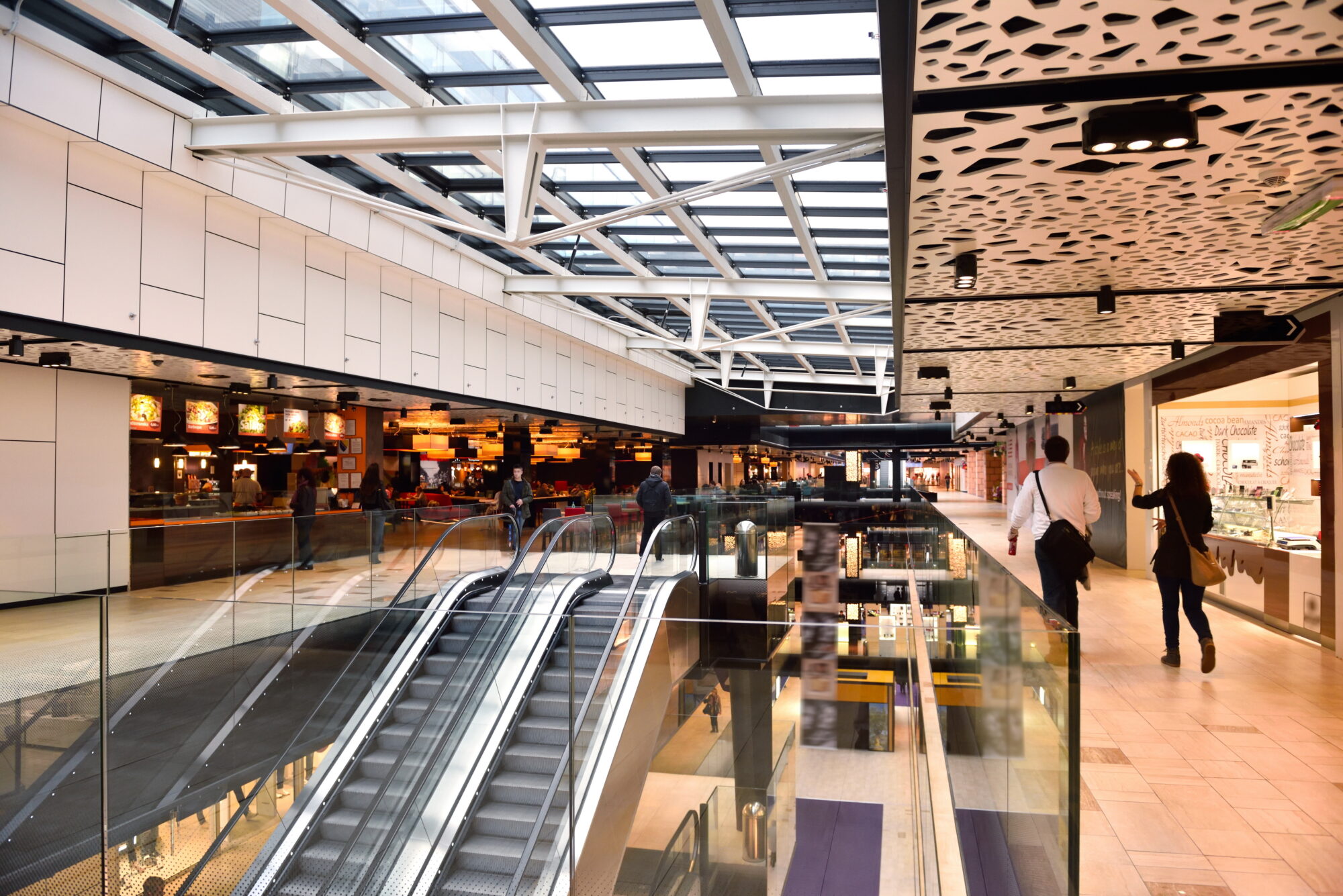
In department stores and large-format retail sites, these surfaces sit within a live customer environment. Cleaning therefore needs to be coordinated around trading hours, customer movement, visual merchandising, safe access and the standard expected across every floor.
Why Glazing Standards Matter In Large Retail Stores
Glazing forms part of the customer experience from the moment someone approaches the store. Shopfront windows influence the first impression, while mirrors, display cases and internal glass contribute to how products and departments are presented.
Research from ServiceChannel supports the wider importance of the physical store environment. In a survey of more than 1,500 shoppers, four in five respondents said they would prefer a clean store to one prioritising new technology. The research also found that 70% had experienced a negative issue in a physical store during the previous six months.
Glazing should therefore be considered within the store’s wider presentation strategy rather than treated as an isolated maintenance task. We explore this in our blog how store cleanliness affects retail sales.
How Glazing Requirements Change Across The Store
The type and frequency of cleaning required will depend on the position of the glass, the level of customer contact and how visible the surface is within the store.
| Glazing Area | Main Requirement | Typical Cleaning Approach |
|---|---|---|
| Entrances and shopfronts | Fingerprints, weather marks and street-level dirt | Frequent cleaning before opening and checks during trading |
| Lift glass and doors | Regular customer contact and continual use | Planned daytime presentation checks |
| Escalator panels and balustrades | Fingerprints, dust and high customer flow | Targeted cleaning during quieter periods |
| Display cases | Smears, dust and proximity to products | Detailed cleaning coordinated with store teams |
| Mirrors | Marks made more visible by strong lighting | Regular streak-free cleaning and inspection |
| Atrium glazing | Height, difficult reach and public areas below | Controlled specialist access, often out of hours |
| Upper-floor windows and façades | Pollution, weather and external access | Planned specialist window cleaning |
| Skylights and roof glazing | Debris, weather exposure and restricted access | Periodic specialist cleaning |
Separating these requirements at the planning stage helps avoid two common problems: high-contact glazing being cleaned too infrequently and specialist areas being addressed only after their condition has noticeably declined.
Building A Coordinated Glazing Cleaning Programme
An effective programme should bring routine presentation cleaning and specialist window cleaning into one overall plan.
Routine Presentation Cleaning
Entrance doors, lift glass, mirrors, display cases and other accessible surfaces can usually be incorporated into the daily cleaning specification.
The required frequency should reflect customer contact rather than relying on one fixed clean. A main entrance may need to be checked several times during a busy day, while a mirror in a quieter department may require less frequent attention.
Cleaning can be completed during quieter trading periods where the work is contained and does not obstruct customers. Prepared microfibre cloths and controlled application methods can help operatives remove fingerprints and light marks without introducing unnecessary moisture into the area.
Planned Specialist Window Cleaning
Atriums, upper-floor windows, skylights and external façades should be included within a separate planned programme.
These areas may require water-fed poles, mobile access towers, Mobile Elevating Work Platforms, building access equipment or other specialist methods. The appropriate approach will depend on the height and position of the glass, the building design and the surrounding environment.
Planned visits also allow access arrangements, permits, equipment and temporary restrictions to be agreed in advance. This is more effective than arranging specialist cleaning only when the glazing has become visibly marked or access has become urgent.
Reactive And Event-Led Support
Retail activity does not remain consistent throughout the year. Product launches, private appointments, seasonal displays, sales periods and promotional events can change customer routes and place additional pressure on entrances and presentation areas.
The BRC-Sensormatic Footfall Monitor shows how weather, season and location affect customer traffic. Cleaning programmes should have enough flexibility to respond to these changes rather than maintaining the same frequency throughout every trading period.
Agreeing a process for requesting reactive support helps resolve these issues without disrupting the wider programme.
Planning Safe Access Around Trading Activity
Some glazing can be cleaned safely from floor level or from a secure internal position. Other areas may require specialist equipment and temporary control of the surrounding space.
HSE guidance on window cleaning at height states that work at height should be avoided where reasonably practicable. This may involve using telescopic water-fed poles or cleaning from inside the building.
Where work at height cannot be avoided, it must be properly planned, supervised and completed by competent people using suitable equipment.
| Planning Area | Questions To Consider |
| Access | Can the glass be reached safely from floor level or from inside? |
| Public safety | Will customers or retail colleagues pass beneath or beside the work area? |
| Equipment | Is there sufficient space and suitable floor loading for access equipment? |
| Store operations | Are deliveries, events, stock movements or display changes taking place? |
| Products and finishes | Does nearby stock, furniture or specialist material require additional protection? |
| External conditions | Could wind, rain or temperature affect the selected method? |
| Emergency arrangements | Are access restrictions, supervision and emergency procedures agreed? |
A quick clean of accessible entrance glass may be completed with limited disruption. Work above an escalator, atrium or customer route is likely to require temporary isolation and closer coordination with security, facilities teams and store management.
Working Around Displays And Brand Concessions
Retail glazing is frequently positioned beside high-value products, illuminated displays and carefully arranged visual merchandising.
Cleaning instructions establish which surfaces can be accessed by the cleaning team and when assistance is required from store colleagues. Operatives should not need to move products or alter displays unless an agreed procedure is in place.
Controlling Water And Slip Risks
Window cleaning can introduce water or cleaning solution into customer-facing areas, particularly around entrances, lifts and polished floors. Controlled spray application, prepared cloths, drip protection and floor coverings can help contain routine cleaning.
Work with high water usage are more suitable before opening or after closing. When completed during trading hours, smaller work sections, warning signs or temporary barriers are needed to keep customer routes safe and accessible.
Measuring And Maintaining Glazing Standards
A cleaning schedule confirms when work should take place, but it does not confirm whether the required result has been achieved.
Glazing should be included in store inspections and quality audits. Standards can be assessed by clarity, visible marks, condition of frames and edges, and whether the area has been left safe and ready for customers.
Responsibilities should also be clearly divided between daily cleaning and specialist window cleaning teams.
Facilities teams should monitor recurring issues including:
- Fingerprints repeatedly returning before the next scheduled clean
- Smears caused by unsuitable cloths, products or techniques
- Dust collecting around frames, edges and display surrounds
- Water marks on entrance and external glass
- Traffic film affecting street-facing windows
- Inconsistent standards between floors or departments
- Specialist work being postponed because access has not been arranged
Quality reporting can also provide greater visibility of specialist work. Photographs, completed task records and recorded observations help facilities teams confirm what has been cleaned and identify any defects, access restrictions or maintenance concerns.
The programme should then be reviewed following changes to store layout, opening hours, footfall or visual merchandising.
Get In Touch
Our teams support department stores and large retail sites with planned retail cleaning services and specialist window cleaning programmes tailored around each sites needs.
Get in touch with our team to discuss how we can support your retail environment.