
In practice, social value includes fair employment, skills development, routes into work, community partnerships and responsible procurement. For cleaning services, these opportunities can be built into the way a contract operates and measure direct impact.
What Social Value Means In Commercial Cleaning
Social value looks at how colleagues are employed and supported, the opportunities available for training and progression, whether new routes into employment are created and how the contract contributes to communities around the building.
The scale and growth of the cleaning sector makes this especially relevant. The British Cleaning Council’s 2026 research estimates that the cleaning, hygiene and waste industry employs around 1.51 million people, approximately 5% of the UK workforce.
Social Value UK also emphasises the importance of understanding what actually changes for the people affected by an activity. Its Principles of Social Value encourage organisations to involve stakeholders, understand outcomes and use evidence when assessing impact.
Creating Social Value Through Employment
How cleaning contracts structure employment is an important part of social value.
Fair pay is one major consideration for social value when planning a contract. Research published through the Living Wage Foundation found that the scheme has benefited part-time employees and people working on outsourced support-service contracts, with participating employers reporting improvements across areas including reputation and HR outcomes.
At DOC Cleaning, 75% of colleagues were receiving the Real Living Wage during our latest sustainability reporting period, up from 65.43% the previous year.
Clients also play a role in what can be achieved. Labour models, contract budgets, specifications and procurement decisions can affect the ability of a cleaning provider to improve pay, provide training or create progression opportunities.
Social value works best when employment objectives are discussed as a partnership rather than being solely as a contract commitment.
Creating Routes Into Work And Skills
Commercial cleaning has opportunities for people with different levels of experience, while the wider facilities sector includes careers across operations, compliance, sustainability, technology, finance and management.
Our Bright Futures programme, has provided students with experience across different areas of the business. A recent placement involved time with Marketing, People & Culture, Compliance, Contracts, Accounts and Administration, giving the student practical exposure to the different careers that support commercial cleaning operations.
A work placement gives meaningful workplace exposure, practical skills and an in-depth understanding of possible careers . Qualifications, management development and technical training also contribute to social value through building skills and setting up realistic career progress.
Supporting Communities Around The Contract
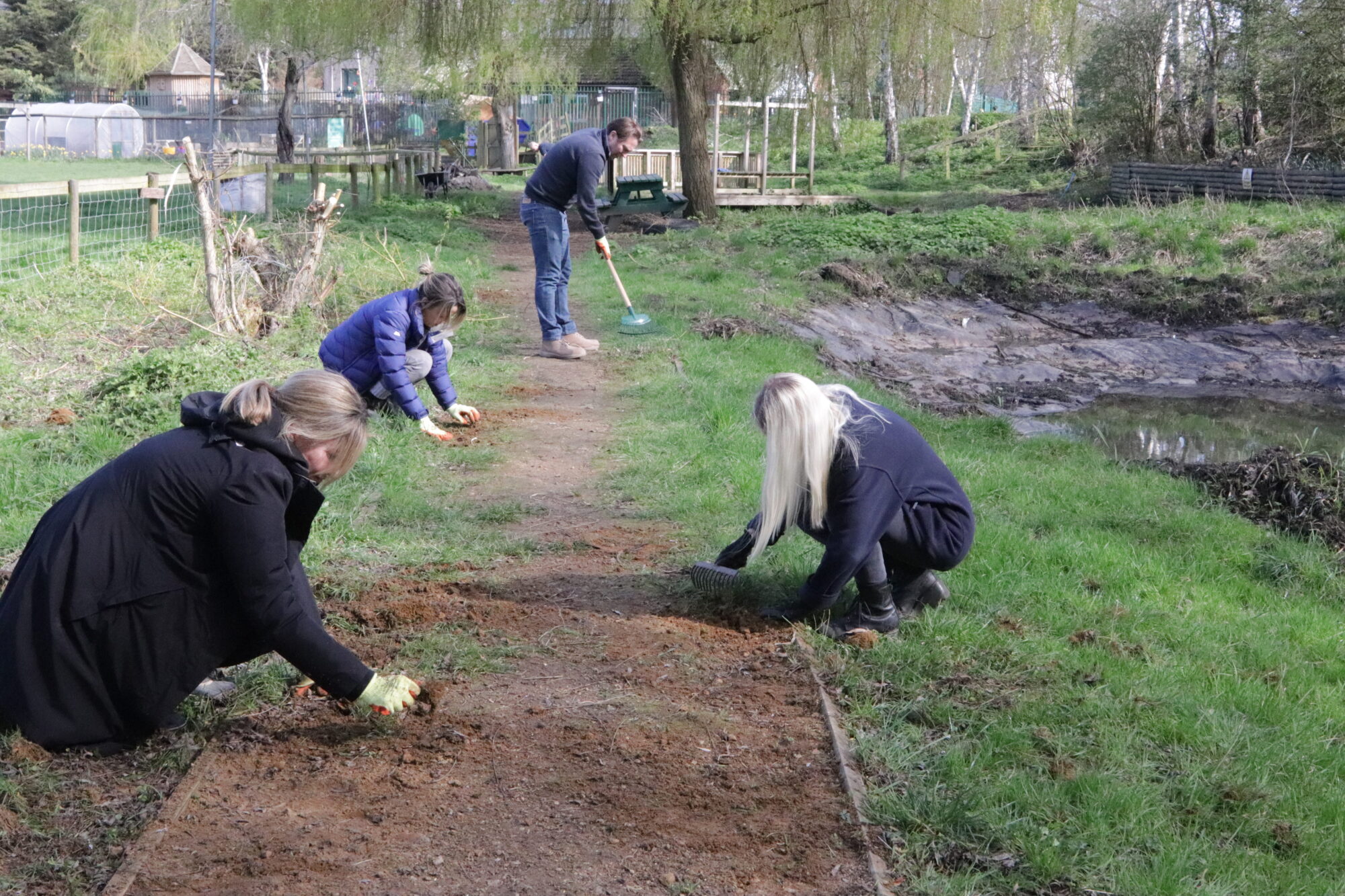
Cleaning providers work within offices, retail destinations, cultural venues, managed properties and other buildings that form part of a wider local community. A great chance to support charities, voluntary organisations, schools and community initiatives connected to those locations.
For example we have supported Grove Cottage in Bishop’s Stortford since 2017 through fundraising, offering volunteer cleaning and supporting their initiaties.
Community value can also be created through procurement. Spending with voluntary, community and social enterprises can direct part of the commercial value of a contract towards achieving company wide ESG goals.
Our 2025 Sustainability Impact Report recorded £17,000 spent with VCSEs alongside more than 500 hours of work created for disadvantaged groups and over 300 volunteering hours on average per year.
Building Social Value Into A Cleaning Contract
The client and cleaning provider can identify which outcomes are relevant to the building, workforce and surrounding community and decide how progress will be measured.
A commercial office in Central London may have different opportunities from a regional retail site or cultural venue. Local employment, work placements, charity partnerships and skills requirements should therefore reflect the individual contract rather than being copied from a standard company-wide list.
One example of a more formal approach is the UK Government’s new Social Value Model. Published in August 2026, it focuses central government procurement on two broad outcomes: Good Jobs and Skills, including fair pay, employment opportunities, apprenticeships and work placements.
The model applies specifically to central government departments and certain associated public bodies, so it should not be treated as a requirement for commercial cleaning contracts generally. It does provide a useful example of how broad social commitments can be converted into defined contract outcomes.
For a commercial cleaning contract, that might look like:
| Social Value Priority | What It Could Mean In Practice | Useful Measures |
|---|---|---|
| Employment | Fair pay and good working conditions | Living Wage coverage, retention |
| Progression | Training and internal development | Qualifications, promotions, training completion |
| Access to work | Employment opportunities for people facing barriers | Employment hours, placements |
| Future skills | Apprenticeships and work experience | Participants, completed placements |
| Community | Volunteering and community partnerships | Volunteer hours, participation and outcomes |
| Responsible procurement | Working with VCSEs and suitable local suppliers | Contract spend |
The measures should be selected because they tell the client something useful about the contract rather than because they are easy to report.
Measuring What Changed
One of the challenges with social value reporting is distinguishing activity from impact.
A cleaning provider might report that ten people completed training, for example. That is useful information, but the next question is what the training achieved. Did colleagues gain a recognised skill? Did it support progression? Has somebody moved into a supervisory role?
The same applies to employment programmes, volunteering and community partnerships.
A useful way to think about reporting is:
Resources → Activity → Output → Outcome
For example, providing a work-experience programme is the activity. A student completing a placement is an output. Greater workplace confidence, skills or understanding of potential careers is closer to the outcome.
An easy way to measure impact, as suggested by Social Value UK’s emphasis on understanding and evidencing the changes experienced by stakeholders.
Facilities teams should agree what will be measured at the beginning of a contract and review progress regularly.
Get In Touch
Through our Beyond Cleaning strategy, we work with clients to identify practical opportunities to create value for people and communities alongside high-quality cleaning services.
Get in touch to discuss how social value and wider sustainability objectives can be incorporated into your commercial cleaning programme.