
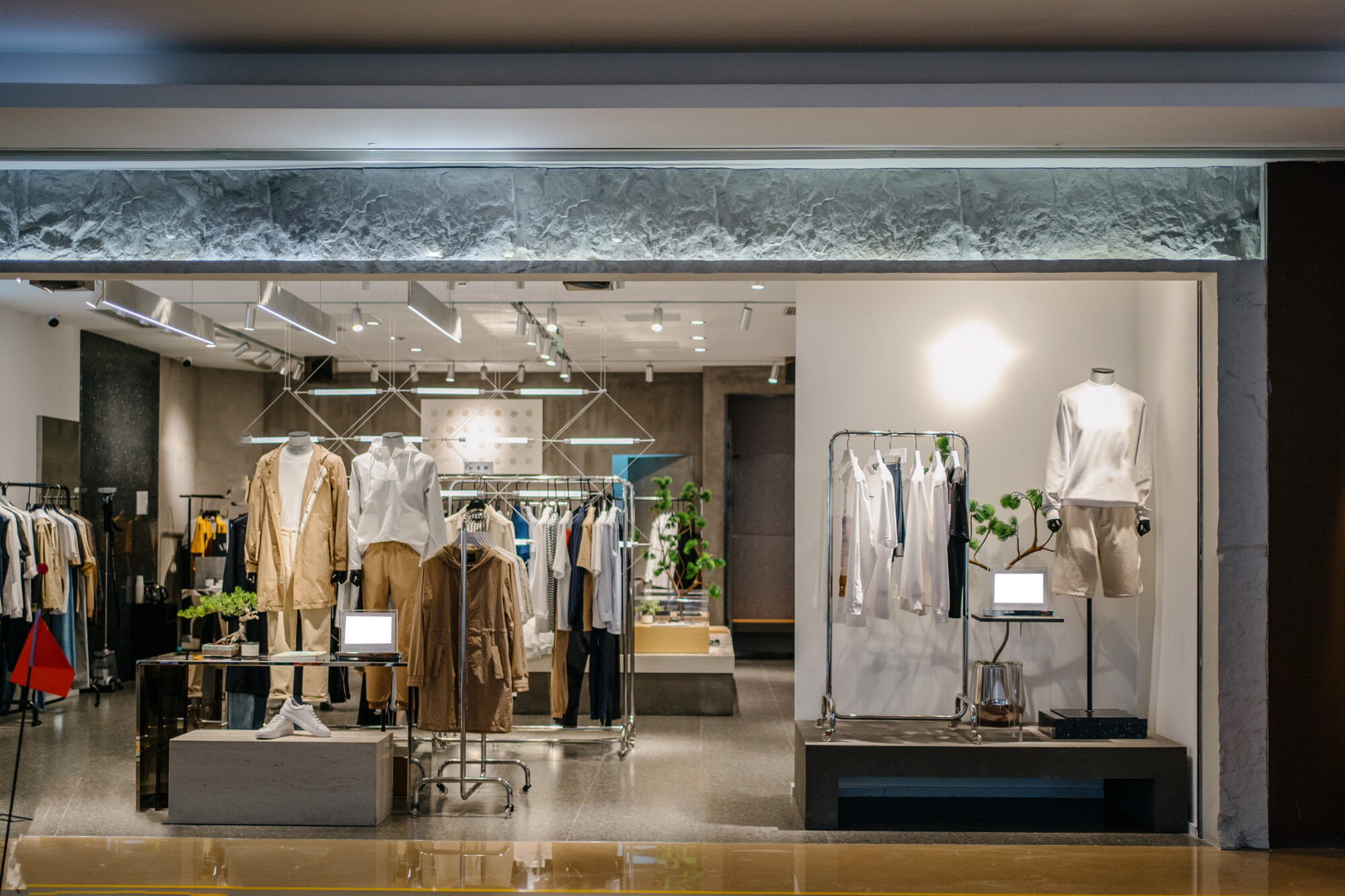
In high-footfall retail spaces, small presentation issues can develop quickly and are often noticed immediately by customers.
Why Cleaning Standards Matter More In Flagship Stores
Flagship locations are often used for product launches, private appointments, press visits, events and high-value customer experiences. The environment plays an important role in how the brand is perceived.
A scheduled clean prepares the store for trading, but issues will still build up during the day. Footfall, weather, deliveries, fitting room use and customer activity can quickly cause areas of the site to need attention.
In our article on how retail store hygiene impacts customer loyalty, we explored how cleanliness changes how customers see the quality and care associated with a retail brand. In a flagship site, the expectations are higher because the store is designed to provide an exceptional experience.
What Is Front Of House Cleaning In Retail?
Front of house cleaning covers the spaces customers see, use and move through during their visit. In a flagship store, this may include:
- Entrances and reception areas
- Sales floors and display zones
- Staircases and lifts
- Fitting rooms and mirrors
- Tills and payment areas
- Washrooms
- Waiting and consultation areas
- Customer hospitality spaces
Cleaning teams need to understand how the store operates and complete tasks without obstructing customers or affecting sales activity. The focus is on carrying out targeted checks and responding quickly when an issue affects presentation, safety or customer use.
Protecting Product Displays And Visual Merchandising
Product displays and feature areas draw attention and encourage engagement with the collection. Dust on shelving, marks on glazing or cluttered displays reduce the impact of carefully planned visual merchandising.
Front of house cleaning teams maintain the areas surrounding displays through regular checks and targeted detailing. Such as cleaning glazing and nearby floors while avoiding unnecessary contact with stock.
Coordination with store and visual merchandising teams is needed to achieve the best results. Displays change frequently, with launches or seasonal campaigns, so cleaning instructions should reflect the materials, finishes and access requirements of each area.
Supporting Fitting Rooms And Customer Touchpoints
Cleaning teams need to remove loose tags, hangers and packaging, wipe marks from mirrors and surfaces, check floors for dust or debris and empty small bins. The space is then reset for the next customer.
Checks are more frequent during peak trading periods, weekends or promotional events. Otherwise, minor issues can build up quickly and make fitting rooms feel untidy or poorly managed.
A tailored schedule helps ensure cleaning activity reflects how each part of the store is used.
Keeping Washrooms Consistent With The Store Experience
A well-presented sales floor can be undermined by washrooms that are poorly stocked or not checked often enough. Standards need to be shown the same level of care across the store.
Daytime washroom support typically includes:
- Checking toilets and cubicles
- Replenishing soap, toilet paper and hand-drying supplies
- Cleaning basins, taps and mirrors
- Monitoring floors for water or debris
- Emptying bins
- Cleaning high-touch areas
- Reporting blocked toilets, leaks or faulty dispensers
Washroom frequency should be based on actual use and communication with the site. A fixed hourly check may be appropriate at one site, while another may need increased support around lunch periods, events or high-footfall trading windows.
How Daytime Cleaning Should Be Planned
Daytime cleaning in a live retail environment needs to be planned around the operation of the store.
Cleaning teams should understand peak trading periods, delivery times, private appointments, customer events and areas where cleaning activity creates an obstruction. Tasks requiring more equipment, noise or access control need to be moved to quieter periods or completed out of hours.
Compact machinery, low-noise equipment and clearly controlled cleaning stations can help teams work safely without taking over customer-facing space.
What Should Be Included In Retail Front Of House Cleaning?
The exact cleaning specification should reflect the store layout, trading hours, footfall and customer journey.
The specification should identify which areas need routine checks, what triggers an immediate response and which tasks should be completed outside trading hours.
| Area | Daytime Cleaning Focus |
|---|---|
| Entrances | Floor presentation, weather-related debris, glass and immediate spill response |
| Sales floors | Spot cleaning, visible debris and maintaining clear customer routes |
| Displays | Careful detailing around glass, mirrors, plinths and feature areas |
| Fitting rooms | Resetting rooms, floor checks, mirrors and waste |
| Washrooms | Consumables, cubicles, basins, floors, bins and maintenance reporting |
| Payment areas | High-touch surfaces, floors and surrounding customer spaces |
| Hospitality areas | Tables, seating, waste and presentation between customers |
| Events and launches | Additional checks before, during and after the activity |
The schedule should also allow cleaning frequencies to change around trading patterns. Flagship stores may require additional support during launches, seasonal peaks, private appointments or periods of increased visitor activity.
Get In Touch
If you are reviewing your retail cleaning services or need dedicated front of house cleaning support for a flagship store, we can help build a programme tailored to your site.
Contact our team to find out how we can support your needs.