
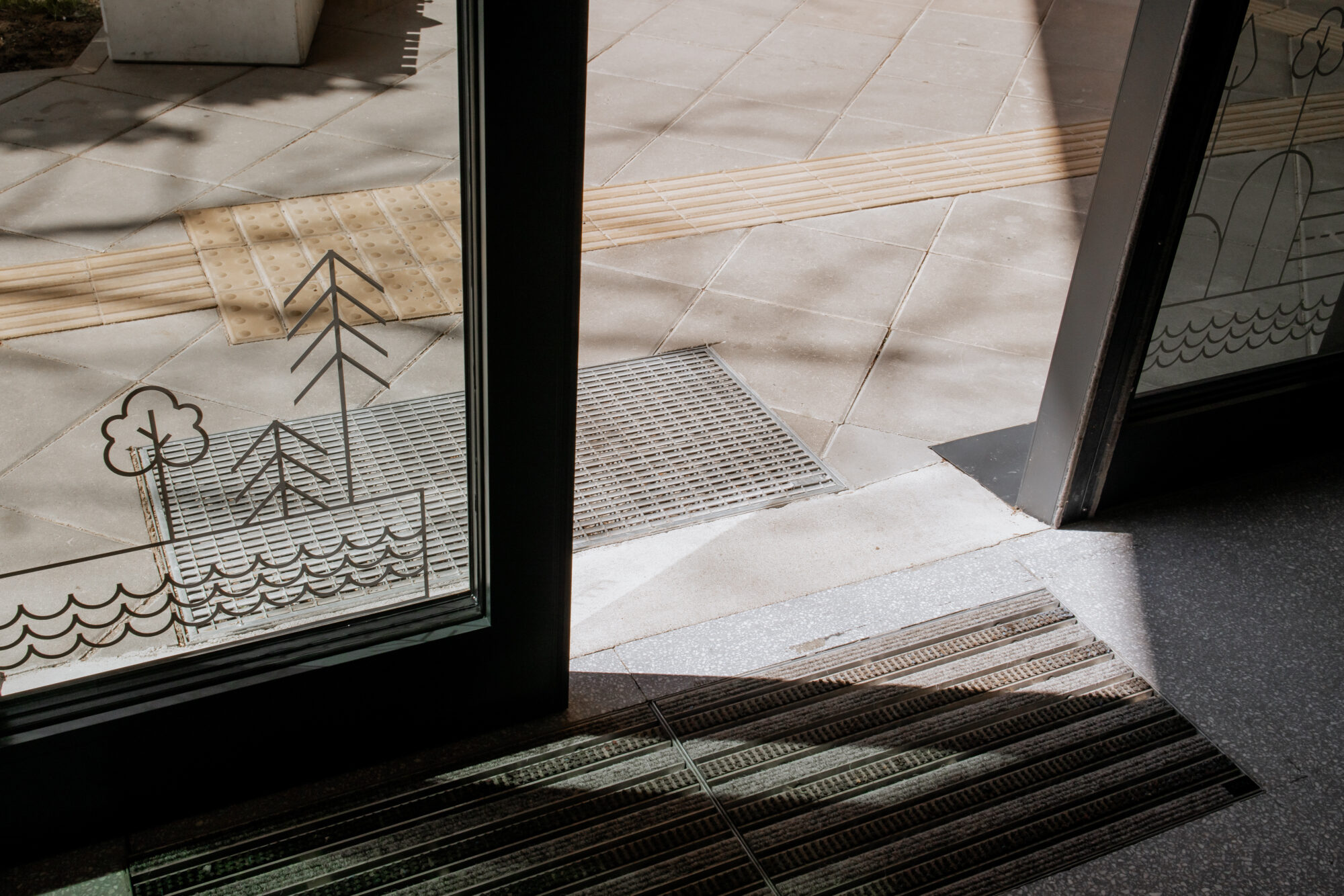
Entrance matting plays a key part in managing slip risk at building entrances through autumn and winter, when wet weather and falling leaves increase contamination underfoot. This guide looks at how matting and adjusted floor care schedules help facilities teams manage that risk.
Why Slip Risk Rises At Entrances In Autumn And Winter
As rain, lower temperatures and shorter daylight hours set in, entrances face far more dirt and grime than in summer months. Wet footwear, tracked-in mud and road grit all reach the same floor surfaces that were dry and clean only a few weeks earlier.
What Gets Tracked In During Colder Months
- Rainwater and condensation from wet coats and umbrellas
- Mud and organic debris such as fallen leaves
- Road salt and grit used to treat pavements and car parks
- Reduced natural light, making hazards harder to spot until someone is already on them
What The Regulations Require
Employers have a legal duty to keep floors safe under the Workplace (Health, Safety and Welfare) Regulations 1992, which require floors and traffic routes to be free from slip and trip hazards so far as is reasonably practicable. HSE injury statistics show slips, trips and falls on the same level account for 30% of all reported non-fatal workplace injuries, making this the single most common injury type in the UK.
Where Responsibility Sits
In managed and multi-tenant buildings, responsibility for entrance floor safety is often shared between landlord, managing agent and occupier. Matting upkeep and cleaning frequency work best when they are reviewed in the building management plan. This is more relevant heading into winter, when responsibility for gritting, leaf clearance and entrance matting can otherwise fall between different contractors without anyone confirming who owns each task.
How Entrance Matting Systems Reduce Risk
Well-designed matting captures dirt and moisture before it reaches the rest of the building, reducing slip risk and cutting the amount of cleaning needed on interior floors. RoSPA slip and trip guidance recommends treating entrance conditions as part of a wider risk assessment rather than as an isolated fix.
Entrance matting works best in stages, with each zone doing a different job:
| Zone | Typical Location | Purpose |
|---|---|---|
| Scraper zone | Outside the entrance | Removes coarse debris such as mud and grit from footwear |
| Wiper zone | Just inside the door | Absorbs residual moisture and fine dust |
| Finishing zone | Extending into the lobby | Completes drying before reaching hard or soft flooring |
Entrance Matting Sizing And Placement
- Extend matting far enough into the building to allow several footsteps of contact
- Keep edges secure and flush with the floor to avoid creating a new trip hazard
- Check and replace saturated mats before they stop absorbing moisture
Managing Entrances Alongside External Areas
Entrance matting only addresses what happens once someone reaches the door. External areas immediately outside also need attention as the weather turns, particularly wherever paving, ramps or covered walkways lead straight into a building.
External Areas Worth Reviewing Before Winter
- Gritting or salting exposed paving and ramps ahead of freezing conditions
- Clearing fallen leaves before they are trodden in and become slippery once wet
- Checking canopies and covered walkways for drips or pooling water at the threshold
- Reviewing external paving for algae or moss buildup, covered in more detail in our guide to pressure washing external paved areas
Coordinating external and internal cleaning schedules reduces how much risk transfers indoors in the first place, and gives cleaning teams fewer surprises to manage at the entrance itself.
Adjusting Floor Care Beyond The Entrance
Entrance matting reduces how much contamination reaches the wider building, but cleaning schedules still need to flex with the season. Areas just beyond entrances often need more frequent attention once the weather turns, building on the approach we cover in our guide to commercial hard floor cleaning and maintenance.
Practical Steps For Facilities Teams
- Increase mopping frequency in lobbies and corridors near entrances during wet weeks
- Add wet floor signage during and after heavy rain
- Review entrance lighting so hazards are easier to spot as daylight hours shorten
- Build seasonal matting checks into existing office cleaning checklist routines
- Confirm external drainage is clear so water does not pool at the doorway
- Schedule periodic checks on matting condition and replace worn sections before they lose grip
- Brief reception or front-of-house staff to flag wet or muddy conditions as they notice them
Reviewing entrance matting alongside cleaning frequency and daily checks is one of the easier ways to manage this risk well. Getting this right also supports the wider building compliance obligations facilities teams are already working to.
Get In Touch
We work with facilities and property teams across London and the UK to plan commercial cleaning services that adapt to the seasons, including entrance care through autumn and winter. Get in touch to talk through your building’s current matting and floor care setup.