
A busy entrance or reception will usually need more attention than a meeting room or restricted office with comparatively little traffic.
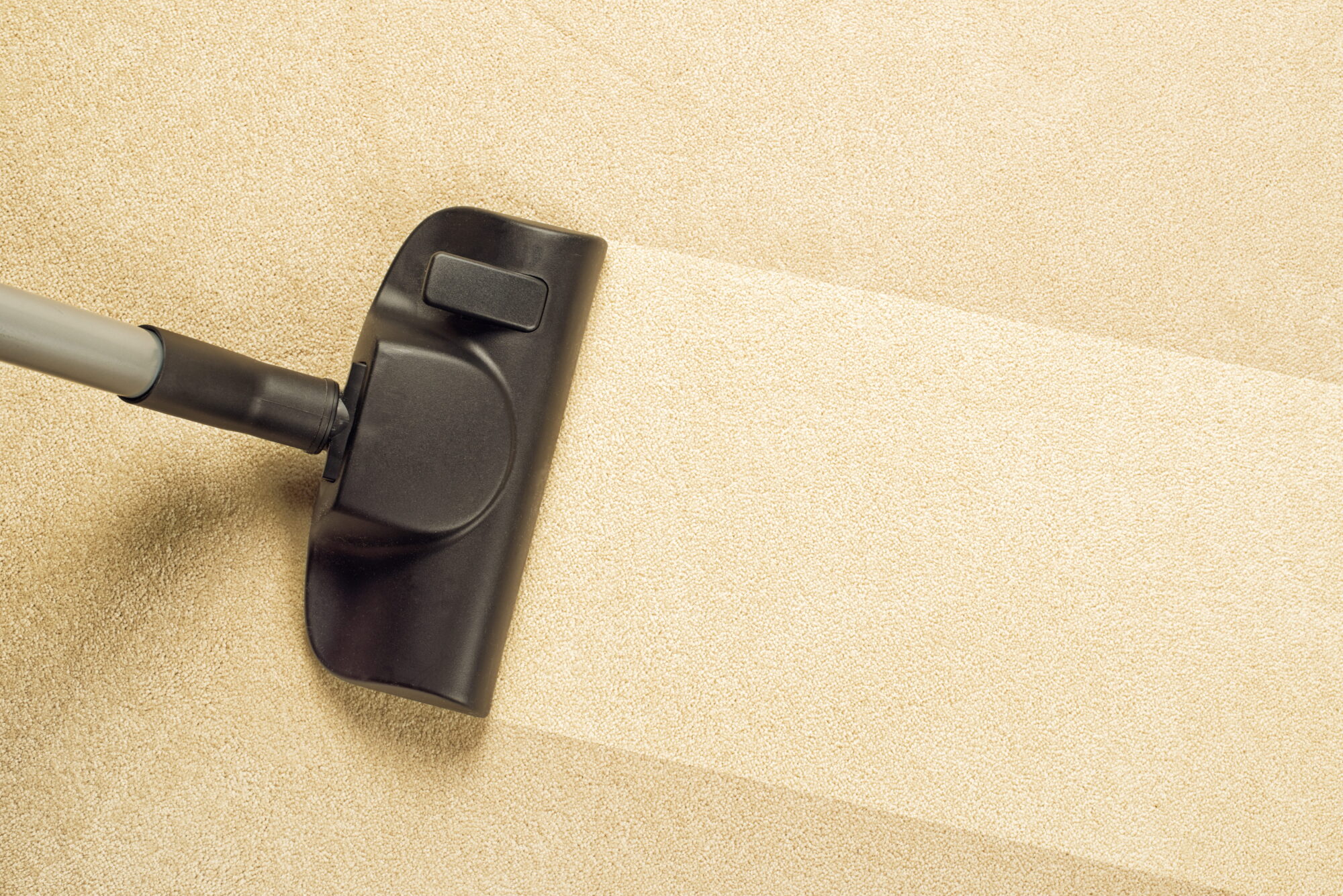
Routine vacuuming, prompt stain treatment and periodic professional cleaning all play different roles. Using them together helps maintain appearance and prevents heavily used areas from deteriorating before the rest of the carpet.
How Often Should Commercial Carpets Be Cleaned?
There is no single cleaning frequency that suits every commercial carpet.
The Carpet and Rug Institute states that deep-cleaning frequency depends on factors including maintenance effectiveness, carpet location, traffic intensity, use and manufacturer requirements. Interim cleaning can also be concentrated on areas that accumulate soil more quickly.
Facilities teams should therefore assess different zones individually.
| Area | Main Cleaning Consideration | Maintenance Approach |
|---|---|---|
| Entrances and receptions | High footfall, outdoor soil and moisture | Frequent monitoring and targeted maintenance |
| Corridors and lift areas | Concentrated pedestrian traffic | Regular vacuuming with interim cleaning as needed |
| Open-plan offices | Consistent everyday use | Routine care with planned periodic cleaning |
| Meeting and conference rooms | Lower traffic but greater spill risk | Condition-led cleaning and prompt stain treatment |
| Private or restricted areas | Lower footfall | Periodic cleaning based on actual condition |
This approach avoids cleaning an entire building at the same frequency when only particular areas require additional attention.
What Determines Carpet Cleaning Frequency?
A maintenance schedule should reflect the conditions the carpet is exposed to rather than being based only on the size of the building.
Footfall And Traffic Patterns
Entrances, lift lobbies, corridors and routes between shared facilities often show deterioration first because people repeatedly follow the same paths.
This creates visible traffic lanes and works grit further into the carpet. High-traffic zones may therefore require more frequent attention than surrounding areas even when they are part of the same floor.
Entrance Matting And Outdoor Soil
A significant amount of soil enters commercial buildings on footwear.
Effective entrance matting helps capture moisture and grit before it reaches internal flooring. During wetter periods, facilities teams should also monitor the carpet immediately beyond the entrance because contaminated or saturated matting can allow more dirt to travel into the building.
This should form part of a wider approach to entrance matting and floor care, particularly during autumn and winter.
Spills And Building Use
The way a room is used can be as important as overall footfall.
Breakout areas, meeting rooms, hospitality spaces and workplaces where employees eat at desks may experience more food and drink spills. These areas can require targeted spot cleaning even when the surrounding carpet does not need a full periodic clean.
Prompt treatment is particularly important because leaving a spill until the next scheduled carpet clean can make staining harder to address.
Carpet Type And Condition
Carpet construction, fibre type and manufacturer guidance should also influence the cleaning method and frequency.
The IICRC S100 standard for professional cleaning of textile floor coverings considers carpet characteristics, condition, soil management, equipment selection and inspection as part of professional carpet maintenance.
Facilities teams should know what flooring has been installed before deciding on more intensive cleaning methods or products.
Routine, Interim And Periodic Carpet Cleaning
Commercial carpet care works best when different levels of maintenance support one another.
The Carpet and Rug Institute distinguishes between routine maintenance, interim cleaning and deeper restorative cleaning. This prevents facilities teams from relying on occasional intensive cleans to correct problems that could have been controlled earlier.
Routine Vacuuming And Spot Cleaning
Regular vacuuming removes loose particulate soil before it becomes embedded more deeply within the carpet.
Frequency should reflect traffic. An entrance or main circulation route may need attention more often than a quiet meeting room.
Spillages should also be addressed promptly using an appropriate spotting method. Routine inspections allow cleaning teams to identify individual marks before they become more difficult to remove.
Interim Carpet Cleaning
Interim cleaning sits between everyday maintenance and a full periodic clean.
It can be used to improve high-traffic areas, reception routes and visible traffic lanes without treating every carpeted area in the building. Low-moisture methods can also be useful where returning an area to service quickly is important.
The CRI commercial carpet maintenance standard describes interim systems as a way of maintaining a more uniform appearance and notes that they can be focused specifically on soil-prone areas.
Periodic Deep Cleaning
Periodic cleaning is used when routine and interim methods are no longer sufficient to remove accumulated contamination.
The appropriate system depends on the carpet, site conditions and manufacturer requirements. Our existing professional deep-cleaning programmes can include shampoo or hot water extraction and Dry Fusion carpet cleaning, selected according to the requirements of the site.
Hot water extraction can provide more intensive soil removal where suitable, while lower-moisture approaches can be useful when access and drying time need tighter control.
The method should be selected because it suits the carpet and operational environment rather than applying the same process across every site.
Does Every Area Need Cleaning At The Same Time?
A main entrance may show visible soil while nearby offices remain in good condition. A conference room could have relatively little footfall but still require treatment after catering or an event.
Zoning the carpet maintenance programme allows resources to be concentrated where they will have the greatest effect.
This also works well alongside an office cleaning checklist, where routine and periodic tasks are separated according to frequency and building use.
When Carpet Cleaning May Need To Be More Frequent
Facilities teams should review the planned frequency when conditions within the building change.
Periods of wet weather can increase moisture and outdoor soil at entrances. Events, increased occupancy and seasonal peaks can place additional pressure on circulation areas. Repeated spills or rapidly developing traffic lanes may also indicate that the existing programme needs adjusting.
The relationship between entrance matting and floor care becomes particularly important during wetter months when mud and moisture can move beyond the entrance into adjoining carpeted areas.
Regular inspection is therefore more useful than waiting for a fixed calendar date when the carpet is already visibly soiled.
When Cleaning Is No Longer The Solution
A carpet that continues to look worn after appropriate cleaning may not simply be dirty.
Repeated footfall can cause pile distortion and fibre wear. Some stains may become permanent, while individual carpet tiles can also become damaged beyond what cleaning can correct.
Applying a stronger chemical or repeating an intensive cleaning process will not necessarily improve these problems.
Facilities teams should distinguish between removable contamination and physical deterioration. In a modular carpet installation, replacing an isolated damaged tile may sometimes provide a better result than repeatedly treating the same area.
Building Carpet Care Into The Wider Cleaning Programme
Routine vacuuming controls loose soil. Entrance matting reduces contamination entering the building. Cleaning operatives can identify stains and areas of heavier wear, while periodic carpet cleaning deals with contamination that everyday methods cannot remove.
Interface’s carpet maintenance guidance similarly recommends combining daily and periodic maintenance to protect commercial carpet tiles and maintain their appearance over time.
For facilities teams, regular review is important. Changes in occupancy, seasonal conditions or the way spaces are used may mean that previously suitable cleaning frequencies need to be adjusted.
A planned approach helps maintain carpet condition while avoiding unnecessary full-area cleaning where targeted maintenance would be more appropriate.
Get In Touch
We provide commercial cleaning services designed around the way each property is used, including routine floorcare, periodic cleaning and professional carpet cleaning.
Get in touch to discuss a cleaning programme for your workplace or commercial property.