
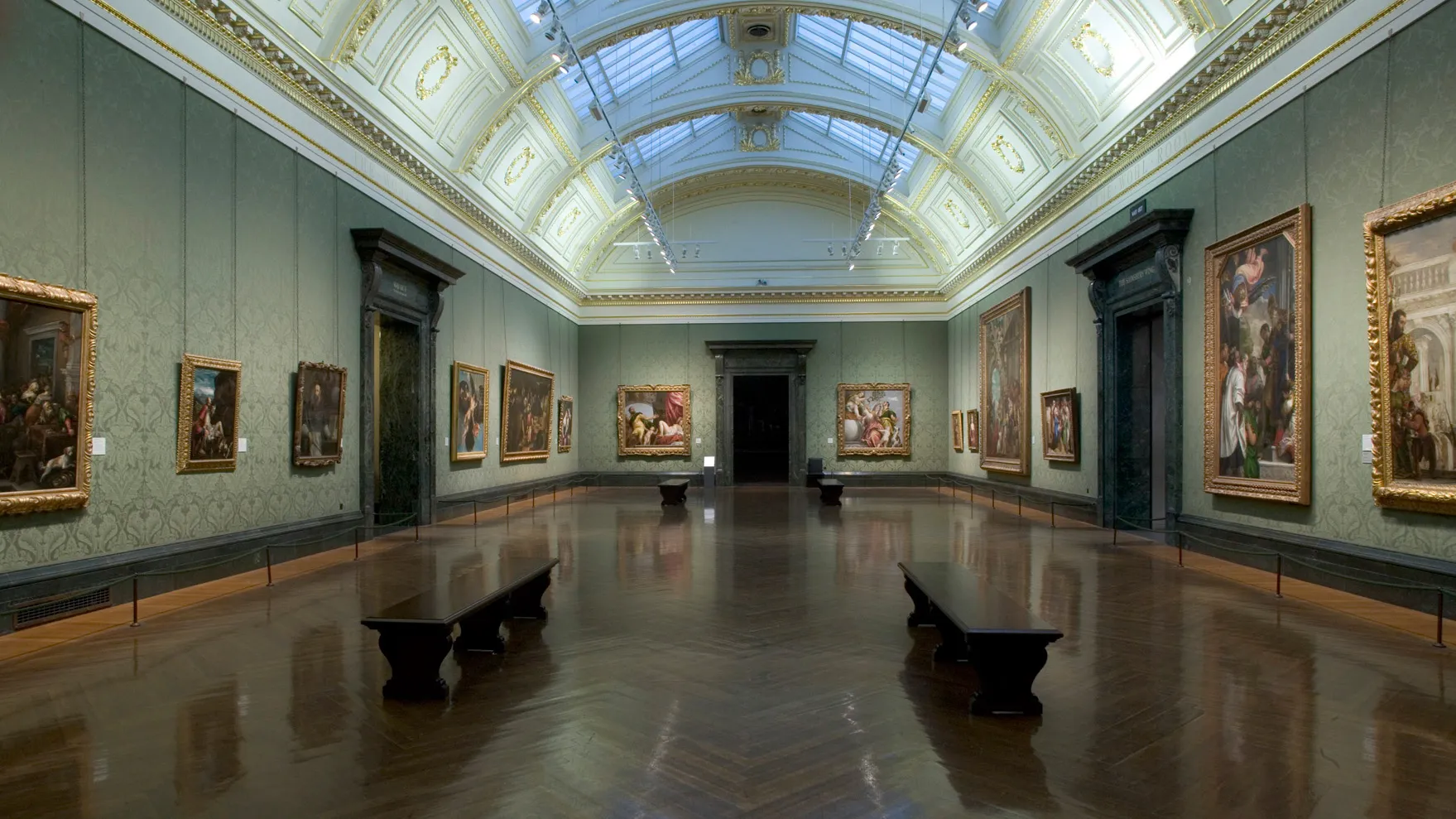
In heritage buildings, cleaning must be carefully planned around opening hours, visitor flow, events, exhibitions and the sensitivity of historic materials. Visitor-focused cleaning helps heritage venues maintain high standards without disrupting the people who come to enjoy them.
Why cleaning schedules matter in heritage buildings
Heritage buildings are often active public spaces as well as places of historic, cultural or architectural significance.
Museums, galleries, listed buildings, theatres and visitor attractions welcome large numbers of people each week. This creates regular cleaning demands across the buildings environment.
At the same time, these buildings may include delicate materials, period features, specialist flooring, historic surfaces and areas where conventional cleaning methods are unsuitable.
Historic England advises that the care of historic buildings should consider appropriate materials and treatment methods. Showing the importance of maintenance and cleaning approaches that are suitable for the building fabric, rather than applying a standard commercial cleaning model to every area.
What is visitor-focused cleaning?
Visitor-focused cleaning is a cleaning approach designed around the people using the venue.
In a heritage setting, this means cleaning activity should support the visitor journey rather than interrupt it. Cleaning teams need to consider when people arrive, where they gather, which areas receive the most use and which tasks are better completed away from public view.
A visitor-focused cleaning programme may include pre-opening cleaning, discreet daytime checks, out-of-hours cleaning and event-based support. The purpose is to keep the venue clean, safe and welcoming while protecting the atmosphere visitors expect from a heritage environment.
Understanding visitor flow and peak periods
Public attraction cleaning should be planned around how people move through the site.
Some areas may experience high use throughout the day, while others may have clear peaks around entry times, guided tours, café service, school visits, performances or private events.
Useful questions include:
- When are the busiest arrival and departure times?
- Which entrances and routes receive the most footfall?
- Where do visitors naturally gather or queue?
- Are there seasonal peaks, school holiday periods or event days?
- Which areas need discreet checks while the venue is open?
- Which tasks should be completed outside public access hours?
This information helps cleaning teams allocate time and resource more effectively.
For example, washrooms may require frequent daytime checks during peak visitor periods, while floorcare, deep cleaning and more intrusive tasks may be better suited to early mornings, evenings or closed days.
Balancing presentation with preservation
Cleanliness plays a significant role in how visitors perceive a heritage venue.
Entrances, reception areas, washrooms, cafés and retail spaces all contribute to first impressions. A clean and well-maintained environment can help visitors feel comfortable, and welcome.
However, heritage venue cleaning also needs to consider preservation.
Historic surfaces, timber floors, stonework, tiles, brass fixtures, stained glass, decorative plasterwork and period details may require sensitive cleaning methods. Inappropriate products, excessive moisture or abrasive techniques can cause damage over time.
English Heritage provides conservation guidance informed by science-based evidence and practical experience, including advice for collections and historic materials. This supports the need for trained teams, suitable methods and clear site-specific instructions when cleaning sensitive spaces.
A good cleaning programme defines which areas require standard cleaning, which require specialist methods and which should only be cleaned under specific guidance.
The role of out-of-hours cleaning
Out-of-hours cleaning is essential for heritage buildings and public attractions.
Many cleaning tasks are easier and safer to complete when visitors are not present. This can reduce disruption, protect the atmosphere of the venue and give cleaning teams the time and access needed to complete work properly.
| Out of hours cleaning task | Why it helps heritage venues |
|---|---|
| Detailed floor cleaning | Allows teams to clean larger floor areas safely without disrupting visitor routes |
| Periodic deep cleaning | Gives teams time to complete more thorough cleaning beyond daily routines |
| High-level dusting | Reduces disruption and supports safer access to elevated or hard-to-reach areas |
| Carpet and upholstery cleaning | Allows drying time before visitors return to the venue |
| Post-event cleaning | Helps reset the space after weddings, exhibitions, performances or private hire |
| Cleaning around exhibitions or installations | Allows work to be completed carefully around sensitive displays or restricted areas |
| Work in narrow routes or restricted areas | Reduces the risk of congestion in spaces where visitor movement may be limited |
The most effective approach usually combines discreet daytime support with planned out-of-hours tasks.
Cleaning around exhibitions, events and venue hire
Many heritage buildings host exhibitions, weddings, corporate events, filming, performances and private hire.
These activities can create short periods of intense cleaning demand. A venue may need to be prepared quickly before guests arrive, maintained during the event and reset afterwards for normal visitor access.
Cleaning schedules should take account of:
- Event setup and breakdown times
- Catering and hospitality areas
- Temporary flooring or protective coverings
- Increased washroom usage
- Waste and recycling requirements
- Restricted access around exhibits or collections
- Security and keyholder arrangements
Good communication between cleaning teams, venue managers, event coordinators and security teams is essential. This helps avoid missed areas, access conflicts and unnecessary disruption.
Managing high-footfall areas
High-footfall areas need particular attention in heritage venues.
Entrances, ticket desks, staircases, lifts, corridors, washrooms, cafés and shops can quickly affect how visitors judge the quality of the venue. These spaces may also create practical safety issues if waste, spills or dirt are not managed promptly.
A visitor focused cleaning plan should identify priority zones and set suitable frequencies for each area. This may include regular washroom checks, entrance matting maintenance, spot cleaning in public routes, waste removal during busy periods and quick response procedures for spills.
Seasonal changes should also be considered. Wet weather, school holidays, tourism peaks and major exhibitions can all increase cleaning demands across public areas.
Visit England’s accessibility and inclusive tourism guidance highlights the importance of removing barriers and providing positive experiences for all visitors. Clean, accessible and well-maintained facilities form part of that wider visitor experience, particularly in busy public attractions.
Protecting the visitor experience
Cleaning should be planned so that it supports the atmosphere of the venue.
In some public environments, visible cleaning can be reassuring. In heritage settings, it must often be more discreet. Visitors may be attending a museum, historic house, gallery or cultural venue because they want to engage with the building, the exhibits or the experience. Poorly timed cleaning can distract from that.
Cleaning teams may need to consider:
- Noise levels
- Equipment movement through public spaces
- Cleaning near tours or talks
- Visibility of waste handling
- Timing around photography, filming or ceremonies
- Staff presentation and visitor interaction
- Safe use of signage without creating clutter
This is where training and site knowledge matter. Cleaning operatives working in heritage spaces need to understand not only the cleaning specification, but also the expectations of the venue.
How DOC Cleaning supports heritage venue cleaning
We work with clients who need reliable, well-planned cleaning services across complex and public-facing environments.
For heritage buildings and visitor attractions, our approach focuses on understanding the site, its operating hours, its visitors and the specific requirements of each area. This allows cleaning schedules to be planned around public access, events, sensitive materials and the need to minimise disruption.
By combining planned routines with responsive support, we help venues maintain clean, welcoming and well-presented spaces for visitors, staff and stakeholders.
Get in touch
If you manage a heritage building, public attraction or visitor venue, we can help you develop a cleaning programme that supports both presentation and preservation.
Our teams work closely with facilities managers, venue managers and property teams to deliver carefully planned cleaning services that minimise disruption while maintaining high standards across public and operational areas.
Contact us today to learn more about our heritage venue cleaning and visitor-focused cleaning services.