
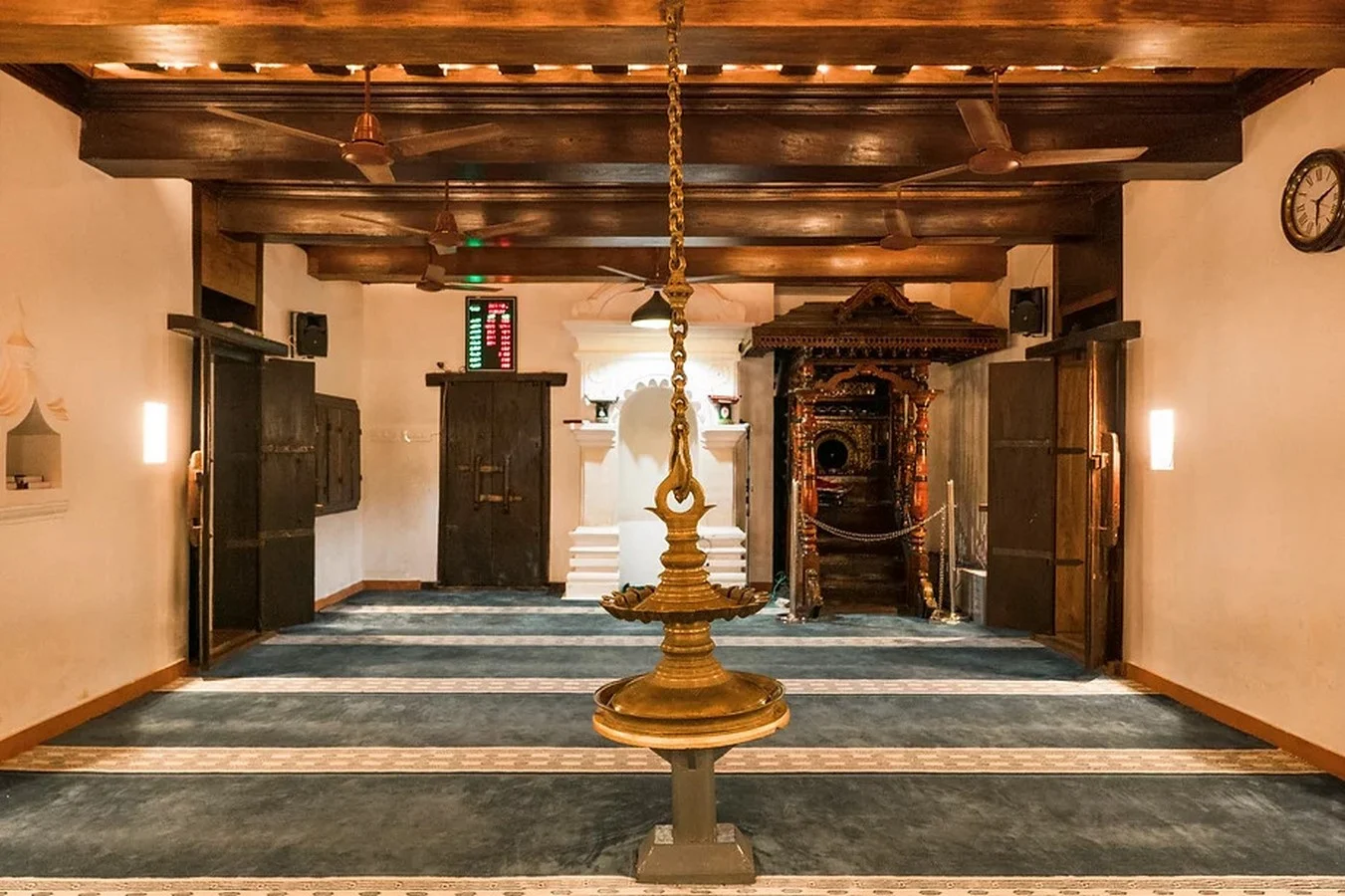
For many of England’s most prestigious properties, scheduled cleaning is the first line of defence against the slow decay caused by time, tourism and environmental pollutants.
In this blog, we discuss how we implement a well-structured listed building cleaning schedule to protect your heritage site interior features.
What is scheduled cleaning for listed buildings?
Cleaning plays a vital role in heritage care and cultural preservation. Scheduled cleaning for listed buildings is a professional service delivered through a structured plan that maintains a clean, hygienic and safe environment. Unlike standard commercial cleaning, heritage cleaning requires a detailed understanding of historic materials and conservation principles.
In the UK, we care for some of the world’s most significant Grade I and Grade II listed buildings. Research published by the UK Parliament shows that overseas residents made 42.5 million visits to the UK in 2024, an increase from 38 million in 2023. High visitor numbers place additional pressure on heritage interiors, making careful and consistent cleaning essential for preservation and visitor wellbeing.
Historic England research shows that delaying maintenance is more expensive than routine preventive care. Studies suggest postponing essential work can increase costs by 15 to 20 percent. A structured cleaning schedule keeps heritage care proactive rather than reactive, reducing the build-up of substances that lead to long-term conservation issues.
Benefits of a scheduled listed building cleaning service
A scheduled cleaning service protects historic interiors from a range of common risks.
-
• Harmful dirt and bacteria build-up
• Moisture retention and airborne pollutants
• Wear caused by high visitor footfall
• Avoidable and costly repair work
Beyond physical preservation, listed building cleaning also supports operational performance and compliance.
| Business need | Benefit |
|---|---|
| Professional image | Creates a positive first impression for visitors and supports staff morale |
| Staff productivity | Clean spaces reduce distraction and support focused working |
| Health and safety | Reduces germs, limits sickness absence and supports hygiene standards |
| Cost control | Prevents expensive deep cleans and reactive repair work |
| Site consistency | Maintains standards without disruptive cleaning periods |
The risk of ad hoc cleaning
For heritage environments, ad hoc cleaning is ineffective. Without a structured schedule, fine particulates and pollutants settle into porous stone and delicate wood grain, leading to irreversible surface damage.
Research by the National Trust highlights the impact of dust on historic interiors. In high-traffic areas, dust can remain on surfaces for long periods if cleaning is inconsistent. These particles act as microscopic grit, creating a sandpaper-like effect through touch, air movement or vibration. Over time, this results in surface thinning and permanent deterioration.
Deterioration of historic features
Atmospheric pollutants, fine grit and natural oils transferred through visitor contact are often invisible but highly abrasive. Without regular intervention, these substances gradually damage historic surfaces.
Implementing a structured schedule for listed building cleaning means the implementation of specialist cleaning teams and new innovative techniques, including:
- Abrasive Control: Regular light microfibre dusting reduces the need for harsh chemicals or heavy scrubbing.
- Material-Specific Rotations: Cleaning frequencies and methods are matched to the needs of individual materials and features.
- Specialist Cleaning Teams: Trained heritage operatives bring expertise that extends beyond general cleaning practices.
Implementing scheduled cleaning at a heritage site
Transitioning to a scheduled cleaning model follows a clear and controlled process.
| Stage | Purpose |
|---|---|
| Site audit | Identifies material vulnerabilities through a full site assessment |
| Frequency mapping | Determines daily, weekly and monthly cleaning needs |
| Method selection | Ensures non-abrasive tools and sustainable products are used |
This approach ensures cleaning activity aligns with conservation requirements while maintaining operational continuity.
Innovation and technology
Modern heritage cleaning has moved beyond traditional methods. Innovative approaches are now safer for historic interiors, visitors and cleaning teams, while also reducing environmental impact.
Examples include:
HEPA Filtration Vacuuming: HEPA-filtered systems capture fine particles and prevent them from re-entering the air, protecting both the building fabric and indoor air quality.
Sustainable Cleaning Methods: pH-neutral biodegradable products, such as BioHygeine, ensure no harmful residues remain that could react with historic materials over time.
Enhancing productivity and compliance
For heritage site managers, structured cleaning provides a clear audit trail. This supports compliance by creating a detailed record of cleaning activity and inspections. Clear audit trails help demonstrate due diligence, reduce risk and support investigation where required.
Beyond compliance, scheduled cleaning reduces long-term wear. By limiting gradual deterioration, sites can delay expensive and invasive restoration projects, protecting historic interiors for future generations.
Protect your heritage site interior features with DOC Cleaning
With more than 50 years of experience delivering specialist cleaning services to heritage sites, we understand how to protect historic interiors while supporting daily operations. Our approach combines traditional care with modern innovation to deliver effective and environmentally responsible cleaning programmes.
Contact our friendly support team today to discuss how we can implement a well-structured, high-performing cleaning schedule at your heritage site today.