
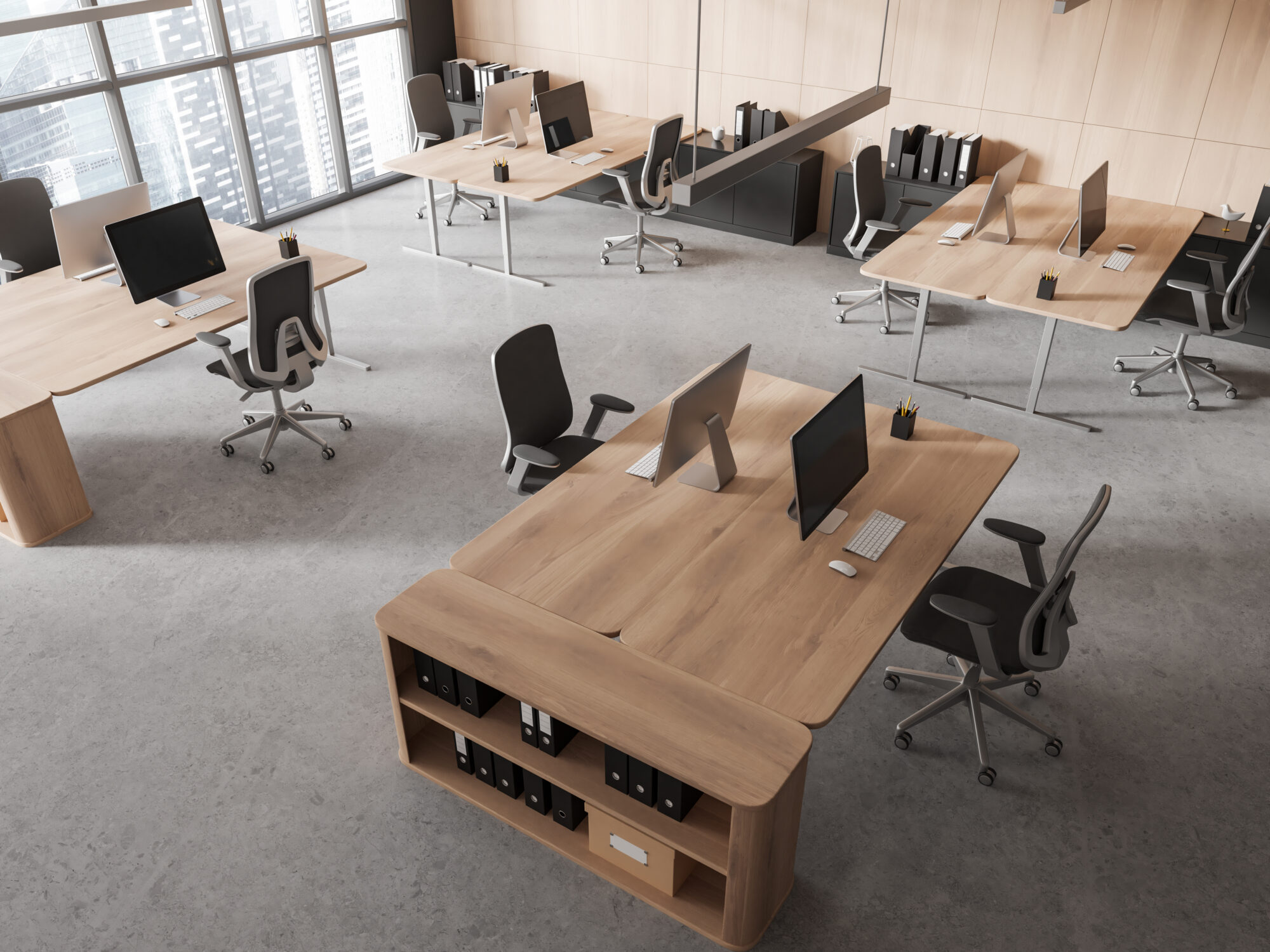
A fixed cleaning schedule may no longer suit modern office environments. Hybrid office cleaning services help businesses adapt cleaning activity around occupancy levels, shared spaces and changing workplace routines.
Why hybrid working requires a different approach to office cleaning
For many businesses, the workplace is no longer occupied by the same number of people, on the same days. Instead, office use can fluctuate depending on team schedules, client meetings, collaboration days, events and seasonal working patterns.
Cleaning services must now be flexible enough to respond to changing occupancy while keeping high standards of hygiene and quality.
This article explores how office cleaning services can support hybrid working patterns through flexible cleaning, smarter scheduling and occupancy-led planning.
How hybrid working changes office cleaning needs
Traditional office cleaning schedules were often based on predictable workplace use.
If most employees were in the office five days a week, cleaning teams could plan regular daily tasks around consistent desk use, meeting room bookings, washroom demand and waste volumes.
Hybrid working has made this less predictable.
Some offices may be quieter on Mondays and Fridays but much busier in the middle of the week. Others may see sharp increases in footfall during team days, client meetings or company events.
This means cleaning requirements can vary significantly from one day to the next.
According to ONS data, hybrid working remains a significant part of working life, with analysis showing how working patterns vary by occupation, age, qualification and industry. CIPD research also shows that flexible and hybrid working practices continue to shape how organisations manage, wellbeing and workplace expectations.
For cleaning providers, this means services need to be built around real workplace demand rather than fixed assumptions.
The key challenges of hybrid office cleaning
Hybrid working can create several operational challenges for office cleaning teams.
These may include:
- Uneven use of desks and shared workspaces
- Higher demand for meeting rooms on collaboration days
- Fluctuating washroom and kitchen usage
- Changes in waste volumes throughout the week
- More frequent use of hot desks and touchpoints
- Less predictable visitor and client activity
A fixed cleaning schedule may not always be able to adapt to these patterns.
For example, a meeting room used heavily on a Tuesday may need additional attention that same day, while a quiet desk area may not need the same level of daily cleaning. Similarly, washrooms and breakout spaces may require more frequent checks on high-occupancy days.
The aim is not always to clean more. It is to clean more intelligently.
What are hybrid office cleaning services?
Hybrid office cleaning services are cleaning programmes designed around flexible workplace use.
Rather than applying the same tasks at the same frequency every day, they allow cleaning activity to be adjusted based on occupancy, priorities and risk.
This may involve:
- Adjusting cleaning schedules around peak office days
- Increasing focus on shared spaces and high-touch areas
- Using occupancy data to plan cleaning resources
- Introducing daytime cleaning support where needed
- Reviewing cleaning specifications regularly
- Supporting flexible workspaces, hot desks and collaboration zones
This tailored approach helps facilities teams maintain a clean, professional and welcoming environment while avoiding unnecessary resource use.
Using workplace occupancy to plan cleaning
Workplace occupancy cleaning is based on understanding how people use the office.
This does not need to be complicated. Facilities teams may already have useful information from desk booking systems, access control data, meeting room calendars, visitor logs or feedback from workplace teams.
Cleaning providers can use these insights to identify:
- Which days are busiest
- Which floors or zones receive the most use
- Which shared spaces need additional attention
- When washrooms, kitchens and breakout areas experience peak demand
- Where cleaning resource could be adjusted
For example, if Wednesdays are consistently the busiest office day, cleaning teams may increase daytime checks of washrooms, kitchens and collaboration areas. If Fridays are quieter, scheduled tasks may be shifted towards periodic cleaning, detailed desk cleaning or low-disruption maintenance work.
Flexible office cleaning for changing workspaces
Many businesses have redesigned offices to support hybrid working.
Traditional desk layouts may now include collaboration spaces, meeting pods, quiet zones, hot desks, informal lounges and shared project areas. These spaces are used differently, which means they also need to be cleaned differently.
Flexible office cleaning can support this by adapting cleaning priorities across the workplace.
For example:
| Workspace type | Cleaning consideration |
| Hot desks | Regular touchpoint cleaning and clear desk support |
| Meeting rooms | Cleaning between high-use sessions where required |
| Breakout areas | Frequent attention to tables, bins and food waste |
| Reception areas | Consistent presentation for visitors and staff |
| Quiet zones | Low-disruption cleaning at suitable times |
| Kitchens | Increased checks on high-occupancy days |
This helps ensure cleaning standards remain consistent even when workplace use changes.
Rethinking corporate cleaning schedules
Corporate building cleaning schedules should now be reviewed more frequently.
A cleaning specification that worked before hybrid working may no longer reflect how the office operates today. Businesses may need to adjust cleaning frequencies, task timings and resource allocation to suit new patterns.
A modern corporate cleaning schedule may include:
- Core daily cleaning for essential areas
- Enhanced cleaning on peak occupancy days
- Periodic deep cleaning for less frequently used zones
- Daytime cleaning for washrooms, kitchens and shared spaces
- Reactive cleaning support for events or client meetings
- Regular reviews with facilities teams
This helps businesses maintain standards without relying on outdated assumptions.
It also supports compliance with workplace cleanliness expectations. UK workplace regulations require workplaces, furniture, furnishings and fittings to be kept sufficiently clean, and waste materials should not be allowed to accumulate except in suitable receptacles. HSE guidance also highlights the need for appropriate welfare facilities, a healthy working environment and a clean workplace with suitable waste containers.
The role of daytime cleaning
Daytime cleaning can be especially useful in hybrid offices.
When occupancy levels fluctuate, cleaning needs may arise during working hours rather than only after staff have left. This is particularly relevant for washrooms, kitchens, reception areas and meeting rooms.
Daytime cleaning can help with:
- Keeping shared areas presentable throughout the day
- Responding quickly to spills or waste issues
- Supporting busy meeting schedules
- Restocking washrooms and kitchen supplies
- Giving staff visible reassurance that cleaning is being managed
Visible office cleaning can also improve confidence in the workplace. In hybrid environments, employees may be more selective about when and why they come into the office, so the condition of the workplace can influence their experience.
A clean, well-maintained office helps create a better first impression for staff, clients and visitors.
Supporting health, wellbeing and workplace confidence
Cleaning plays an important role in workplace wellbeing.
A clean office supports comfort, professionalism and confidence. It also helps reduce avoidable hygiene risks in shared spaces.
While hybrid working may reduce the number of people in the office on some days, it can also concentrate activity into specific areas at specific times. Meeting rooms, kitchens and collaboration spaces may experience intense bursts of use, particularly on team days.
Cleaning providers can help manage this by planning around occupancy patterns and reviewing service delivery with facilities teams.
UKHSA guidance in settings such as education notes that cleaning arrangements should include daily, weekly and periodic schedules, and that enhanced or more frequent cleaning may be recommended during outbreaks. Although this guidance is not specific to corporate offices, the principle of adjusting cleaning frequency to risk and use is relevant to workplace cleaning planning.
Making cleaning services more sustainable
Hybrid working can also create opportunities to achieve ESG objectives.
When offices are quieter on certain days, cleaning resources can be planned more efficiently around actual workplace use. This helps reduce unnecessary product use, manage waste more effectively and support more responsible ways of working.
For DOC Cleaning, this reflects our Beyond Cleaning approach: delivering high standards while also considering people, sustainability and long-term value for our clients.
Sustainable hybrid office cleaning may include:
- Matching cleaning frequencies to actual occupancy
- Reducing unnecessary consumable use in quieter areas
- Planning periodic tasks efficiently
- Using environmentally responsible cleaning products where appropriate
- Reviewing waste volumes across changing office patterns
- Supporting recycling and waste segregation systems
By aligning cleaning activity with occupancy and operational need, businesses can maintain clean, professional workplaces while supporting their environmental responsibilities and wider ESG objectives.
Get in touch
If you are looking for a specialist partner to support flexible cleaning requirements, we can help.
Our teams work closely with facilities managers and property teams to deliver, carefully planned commercial cleaning programmes that minimise disruption while maintaining high standards across every building.
Get in touch today to learn more about our cleaning services.