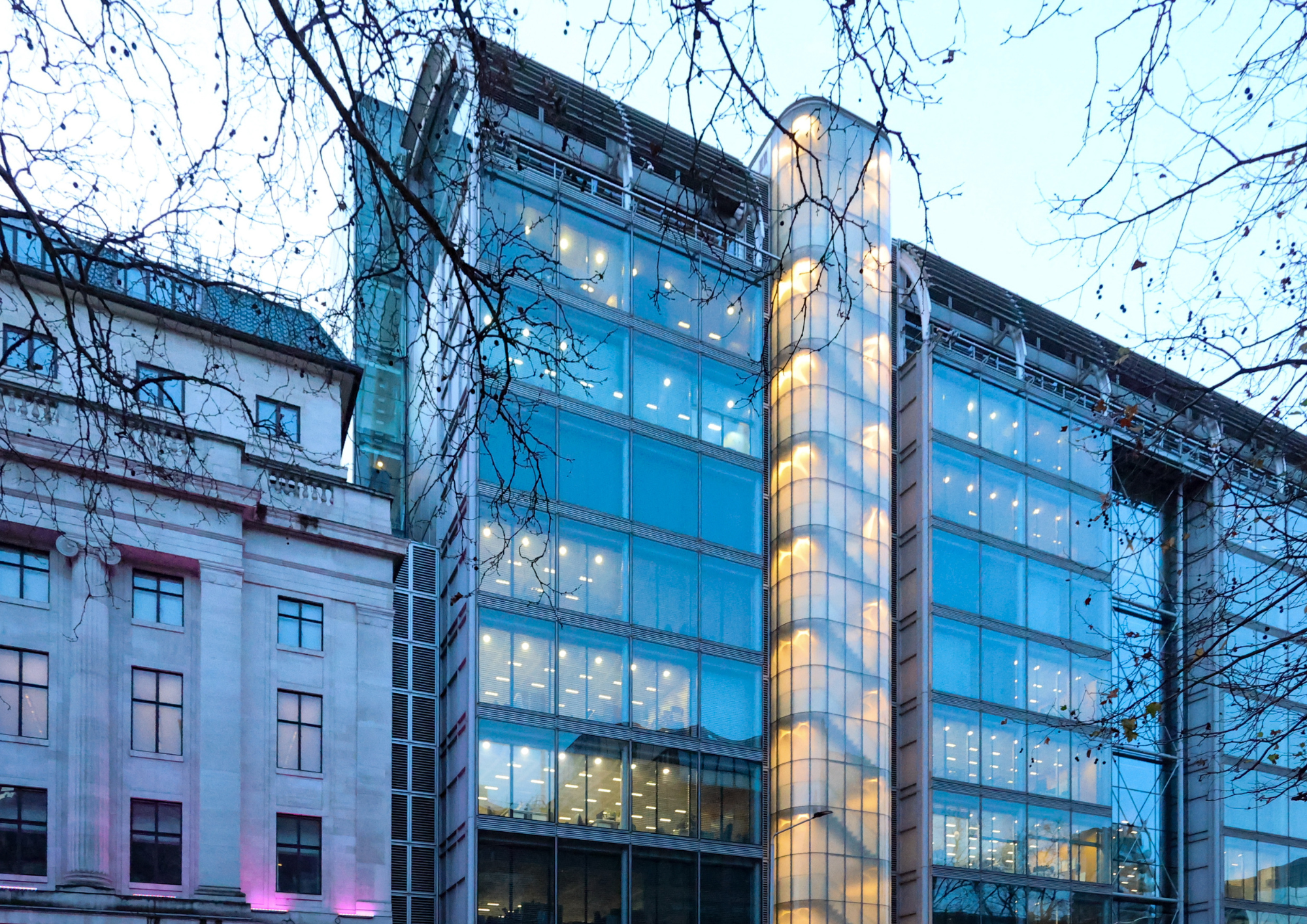
Multi floor and multi tenant office buildings rely on consistent cleaning performance to protect workplace wellbeing, maintain presentation standards and support building operations. With different occupiers sharing the same infrastructure, maintaining clear oversight of cleaning activity becomes essential.
Large office environments typically include shared entrances, lifts, washrooms, corridors and breakout areas alongside tenant specific spaces. These environments experience constant footfall throughout the working day, which means cleaning standards must remain high across all areas of the building.
Facilities managers often oversee complex cleaning programmes across multiple levels and zones. Without clear audit processes, it can become difficult to verify that cleaning has been completed correctly and consistently.
This article explores how facilities teams can audit cleaning performance across multi floor and multi tenant office buildings and how structured monitoring helps maintain high standards throughout the workplace.
Why cleaning audits matter in multi floor office environments
Auditing cleaning performance allows facilities managers to verify that cleaning specifications are being delivered across every level of a building. Offices with multiple tenants require clear accountability because shared areas must meet the expectations of several organisations.
Regular audits help identify gaps before they affect tenant experience. They also create transparent communication between cleaning providers, facilities teams and building occupiers.
Cleaning audits help ensure:
-
Shared areas remain consistently clean and safe
-
Cleaning schedules are delivered as agreed
-
Washrooms and high traffic areas receive appropriate attention
-
Standards remain consistent across every floor
-
Tenants feel confident in the building environment
The Health and Safety Executive (HSE) explains that maintaining clean and well managed workplaces supports both safety and operational efficiency within commercial environments. Structured cleaning audits therefore provide facilities teams with the information they need to manage large buildings effectively.
For organisations responsible for office cleaning programmes, these audits help ensure that both visible presentation and hygiene standards remain aligned with workplace expectations. Many facilities teams integrate auditing alongside wider commercial cleaning services to ensure standards remain consistent across complex office environments.
How to structure a cleaning audit programme
A well organised cleaning audit programme allows facilities managers to monitor cleaning activity across multiple floors without creating unnecessary disruption for building occupants.
Effective auditing focuses on key areas of the building while providing clear records that demonstrate whether cleaning standards are being maintained.
Identify priority cleaning zones
The first step in auditing cleaning performance is identifying the areas that require the most frequent oversight. In multi tenant office buildings, these usually include shared facilities and high traffic areas.
Typical priority zones include:
-
Reception areas and entrance lobbies
-
Lift interiors and lift lobbies
-
Shared washrooms
-
Stairwells and corridors
-
Breakout and kitchen spaces
High traffic areas often require more frequent inspection because they experience the highest levels of daily use.
According to the Institute of Workplace and Facilities Management (IWFM), structured inspections help facilities teams maintain consistent service delivery across large commercial buildings.
Create clear cleaning audit checklists
Audit checklists help ensure inspections remain consistent regardless of who carries them out. Facilities teams can review the same criteria across every floor, making it easier to compare results.
A typical cleaning audit checklist might review:
-
Floor cleanliness and debris removal
-
Surface dust levels
-
Washroom hygiene standards
-
Waste removal and bin management
-
Glass and internal window presentation
Digital checklists also allow facilities teams to capture inspection results quickly during walkthroughs. Many organisations link these audits with regular service reviews provided by theiroffice cleaning teams to ensure the cleaning specification continues to meet building needs.
Use photographic evidence for transparency
Photographic records can provide a clear snapshot of cleaning standards across different areas of a building. Images allow facilities managers to verify that work has been completed and highlight areas requiring attention.
Photos can capture:
-
Before and after cleaning results
-
Areas that require additional cleaning
-
Maintenance issues identified during inspections
Visual records also help communicate clearly with cleaning teams and building stakeholders.
Track results across floors and tenants
Recording audit results allows facilities teams to monitor trends over time. If a particular floor consistently scores lower during inspections, this may indicate that cleaning schedules need adjustment.
Tracking results also helps identify patterns such as increased cleaning demand in certain areas or during peak building occupancy.
Many facilities managers now store audit results digitally to create long term records of building performance.
| Audit element | What it monitors | Benefit for facilities teams |
|---|---|---|
| Area inspections | Cleanliness across shared spaces | Confirms cleaning coverage |
| Checklist scoring | Consistency of cleaning standards | Allows performance comparison |
| Photo records | Evidence of completed cleaning | Improves transparency |
| Digital reporting | Real time inspection updates | Strengthens communication |
| Trend tracking | Performance across floors | Helps adjust cleaning schedules |
Challenges of auditing multi-tenant office buildings
Auditing cleaning across multi-tenant office environments presents several practical challenges. Buildings may contain different occupiers with varying expectations of cleaning standards.
Facilities managers must balance tenant requirements while maintaining a consistent service level across shared areas.
Common challenges include:
-
Different usage patterns across floors
-
Increased cleaning demand in shared facilities
-
Coordinating inspections without disrupting tenants
-
Ensuring cleaning teams follow consistent processes
High footfall in office buildings can also affect how quickly areas require cleaning. Washrooms, lift lobbies and entrances may require multiple inspections throughout the day to maintain standards.
According to the British Cleaning Council, structured cleaning management plays an important role in maintaining healthy workplace environments. Clear communication between facilities managers and cleaning providers therefore becomes essential when managing complex office buildings.
Many facilities teams support these environments through specialist services such as commercial window cleaning and routine interior cleaning programmes to maintain consistent building presentation.
Digital tools that support cleaning audits
Technology is increasingly helping facilities teams manage cleaning performance across large office buildings. Digital tools make it easier to record inspections, track cleaning activity and maintain clear documentation.
These systems improve transparency while reducing the administrative burden associated with traditional paper based inspections.
Mobile inspection apps
Mobile inspection tools allow facilities managers to complete cleaning audits directly from a smartphone or tablet. Inspectors can record scores, add notes and capture images during their building walkthrough.
Digital forms help ensure audits remain consistent across every floor.
Real time reporting dashboards
Many facilities teams now use reporting dashboards that display cleaning performance data across different zones of the building. These dashboards highlight areas requiring attention and help managers track cleaning standards over time.
Real time reporting improves communication between facilities teams and cleaning providers.
Digital communication with cleaning teams
Instant messaging and digital task management tools allow cleaning teams to respond quickly when an issue is identified during an audit.
If an inspection highlights a missed area, supervisors can notify cleaning staff immediately to resolve the issue. The Cleaning and Support Services Association (CSSA) shares that digital reporting is becoming increasingly common within professional cleaning management systems.
Cloud-based audit records
Cloud-based systems allow facilities managers to store inspection results securely and access them whenever needed. These records provide a clear history of cleaning performance across the building.
Cloud systems also support transparency during tenant meetings or service reviews.
| Technology | How it supports cleaning audits | Benefit |
|---|---|---|
| Mobile inspection apps | Records audit scores on site | Faster inspections |
| Photographic records | Captures evidence of standards | Clear communication |
| Reporting dashboards | Tracks performance trends | Better decision making |
| Cloud storage | Stores audit history | Easy record access |
Why experienced cleaning teams remain essential
While auditing tools and digital systems improve visibility, the quality of cleaning still depends on experienced teams working within the building.
Professional cleaning staff understand how different office environments function and how cleaning schedules must adapt to tenant activity throughout the day.
Experienced cleaners provide:
-
Awareness of high traffic areas within the building
-
Knowledge of appropriate cleaning methods for office surfaces
-
Flexibility to adjust cleaning schedules during busy periods
-
Care when working around tenant workspaces
Technology helps track cleaning performance, but skilled teams remain central to maintaining high standards in large office buildings.
How DOC Cleaning supports cleaning audits in office environments
Our cleaning services are designed to help facilities managers maintain consistent standards across complex office buildings.
We integrate digital reporting, clear communication and structured auditing into our cleaning programmes. This provides facilities teams with visibility across every floor of the building.
Our teams record cleaning activity, capture site information and support facilities managers with transparent service reporting. We also work closely with building teams to ensure shared areas such as receptions, washrooms and circulation spaces remain clean and welcoming for every tenant.
You can learn more about how we support large commercial environments through our commercial cleaning services and specialist office cleaning solutions.
Get in touch
With more than five decades of commercial cleaning experience, we support facilities teams responsible for complex office environments across the UK.
If you want to strengthen oversight of cleaning performance across multi floor and multi tenant office buildings, contact our team today. We will be happy to discuss how structured auditing and digital reporting can help you maintain consistent cleaning standards throughout your building.