
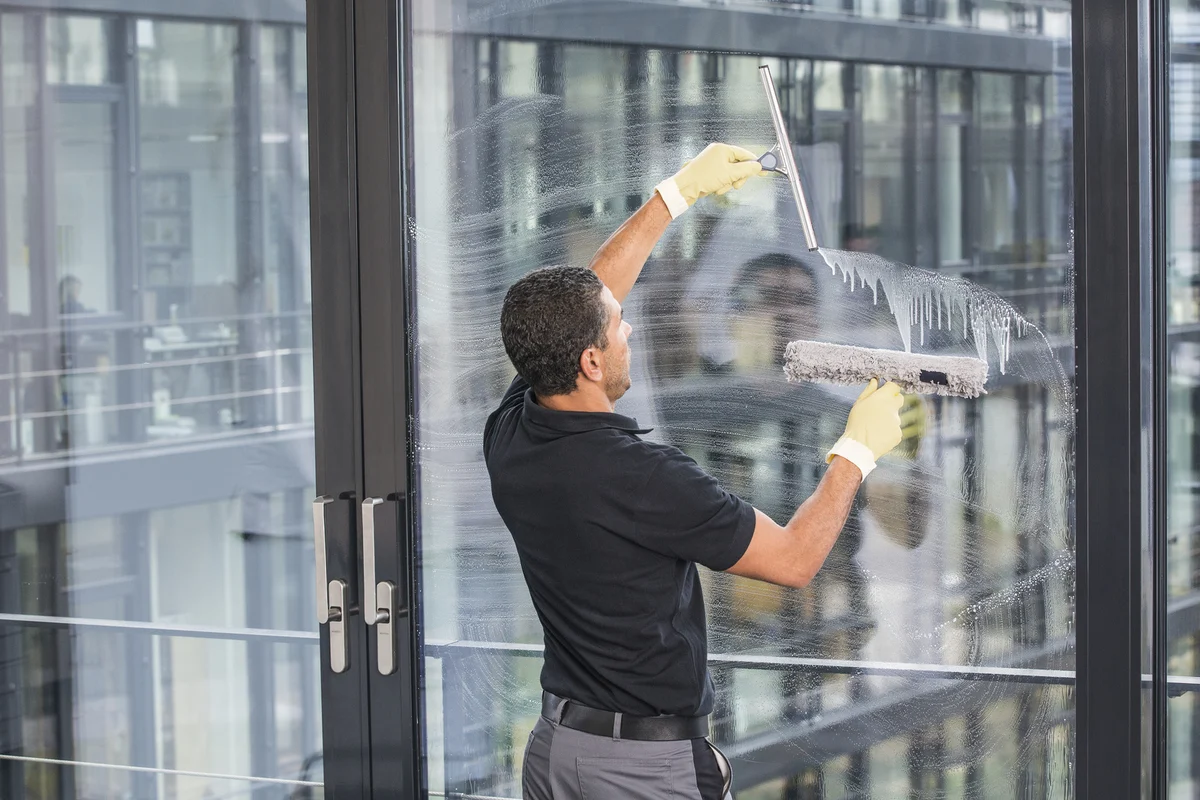
Traditional window cleaning methods have historically relied on large amounts of water, chemical detergents and fuel intensive equipment. These factors can contribute to water waste, pollution and carbon emissions if not managed carefully.
However, the industry has evolved significantly in recent years. Modern window cleaning techniques now focus on reducing environmental impact through sustainable technologies, chemical free cleaning methods and lower emission transport.
Understanding the environmental impact of window cleaning helps facilities managers choose maintenance approaches that protect both buildings and the wider environment.
This article explores the ecological impact of window cleaning and how modern methods are helping reduce environmental pressure.
The environmental factors involved in window cleaning
Window cleaning may appear to be a simple maintenance activity, but it involves several environmental considerations.
Large scale commercial window cleaning operations can introduce environmental variables such as water consumption, chemical discharge and transport emissions.
Key environmental factors include:
-
Water consumption during cleaning processes
-
Chemical runoff from detergents
-
Carbon emissions from vehicles and equipment
-
Waste generated from cleaning materials and equipment
When cleaning programmes are planned responsibly, these impacts can be significantly reduced.
Sustainability has become a growing priority across facilities management services, and window cleaning providers are increasingly adopting environmentally responsible practices.
Water consumption in window cleaning
Window cleaning can require significant amounts of water, particularly when large commercial buildings are involved.
Traditional bucket and squeegee methods often required repeated rinsing with tap water, which could increase water consumption across large cleaning operations.
Modern window cleaning methods now use purified water systems to improve both cleaning performance and environmental efficiency.
Pure water cleaning systems
Many professional window cleaning providers now use purified water technology, often referred to as deionised water systems.
These systems remove minerals such as calcium and magnesium from tap water, producing purified water that can clean glass without the need for chemical detergents.
Pure water cleaning offers several environmental benefits:
-
Reduced reliance on chemical cleaning products
-
Improved cleaning performance without detergents
-
Lower overall water consumption in many cases
Industry research indicates that water fed pole cleaning systems using purified water often use less water overall than traditional window cleaning techniques.
This makes purified water systems an increasingly sustainable option for commercial window cleaning.
Reducing chemical pollution
Traditional window cleaning products sometimes contained chemicals such as ammonia, phosphates or volatile organic compounds.
When these chemicals run off building façades during cleaning, they can enter drainage systems and potentially affect local water supplies.
Modern cleaning technologies now allow many window cleaning tasks to be carried out without the use of chemical detergents.
Chemical free window cleaning
Purified water acts as a natural solvent, allowing dirt and grime to be lifted from glass surfaces without chemical additives.
Avoiding harsh chemicals helps reduce environmental impact and supports safer working environments for cleaning teams and building occupants.
Traditional window cleaning chemicals sometimes included substances such as:
| Chemical | Environmental concern |
|---|---|
| Ammonia | Can irritate respiratory systems and harm aquatic life |
| Phosphates | Contribute to nutrient pollution in waterways |
| Volatile organic compounds | Affect indoor and outdoor air quality |
By replacing chemical cleaning agents with purified water systems, modern window cleaning services can significantly reduce chemical discharge.
Carbon emissions from window cleaning operations
Transport and equipment used during window cleaning operations also contribute to environmental impact.
Cleaning vehicles travel between sites while access equipment such as cherry pickers or building maintenance units may rely on fuel powered machinery.
Fleet emissions can therefore form part of the overall environmental footprint of window cleaning services.
Research examining the UK commercial van fleet suggests that a typical diesel powered van may emit around 4 tonnes of carbon dioxide each year.
Many cleaning providers are now transitioning towards electric vehicles to reduce these emissions.
Low emission cleaning fleets
Electric vans produce significantly lower carbon emissions per mile and eliminate tailpipe pollution.
By adopting electric vehicle fleets, cleaning providers can reduce transport related emissions while supporting cleaner urban environments.
Reducing fleet emissions also helps organisations address Scope 3 emissions associated with outsourced services.
Sustainable fleet management therefore forms an important part of environmentally responsible window cleaning programmes.
Waste and equipment sustainability
Window cleaning operations also involve equipment such as cloths, brushes and specialist tools.
If poorly managed, these materials can contribute to landfill waste.
Many cleaning providers are now focusing on reducing waste by using longer lasting equipment and recycling materials where possible.
Sustainable cleaning practices may include:
-
Using durable equipment designed for extended use
-
Recycling cleaning materials where possible
-
Reducing packaging associated with cleaning products
-
Maintaining equipment to extend its lifespan
These practices help reduce waste while supporting sustainable service delivery.
Choosing an environmentally responsible window cleaning provider
Facilities managers increasingly consider environmental performance when selecting building maintenance partners.
Sustainable cleaning services support both organisational ESG goals and broader environmental responsibilities.
When evaluating window cleaning providers, organisations may review factors such as:
-
Environmental management practices
-
Carbon reduction initiatives
-
Chemical usage policies
-
Waste management procedures
-
Innovation in sustainable cleaning technology
Sustainability is becoming an important factor in building maintenance decisions.
Industry surveys suggest that building occupants often feel more confident in facilities that demonstrate environmentally responsible practices.
This growing awareness highlights the importance of sustainable building services across commercial environments.
ESG considerations in modern window cleaning
Environmental, social and governance initiatives are now influencing how cleaning services are delivered.
Window cleaning providers can support ESG objectives through responsible environmental practices, safe working conditions and transparent service reporting.
Sustainable window cleaning programmes may contribute to:
-
Reduced environmental impact from building maintenance
-
Improved air and water quality
-
Lower carbon emissions from service operations
-
Demonstrated commitment to responsible business practices
By integrating sustainability into cleaning services, providers can help organisations meet both operational and environmental goals.
How DOC Cleaning supports sustainable window cleaning
Our window cleaning services are designed to support environmentally responsible building maintenance.
We use purified water cleaning systems that eliminate the need for harsh chemicals while delivering excellent cleaning results.
Our teams also work to reduce environmental impact through responsible equipment management and sustainable operational practices.
Through our Beyond Cleaning strategy we focus on delivering services that support people, communities and the environment.
By combining professional window cleaning expertise with sustainable practices, we help facilities teams maintain buildings while reducing environmental impact.
Begin your sustainable window cleaning journey
Sustainable building maintenance is becoming increasingly important for organisations across the UK.
If you are reviewing your window cleaning programme and want to reduce environmental impact while maintaining high standards, our team would be happy to help.
Speak with our specialists to learn how modern window cleaning techniques can support both your building and the environment.