
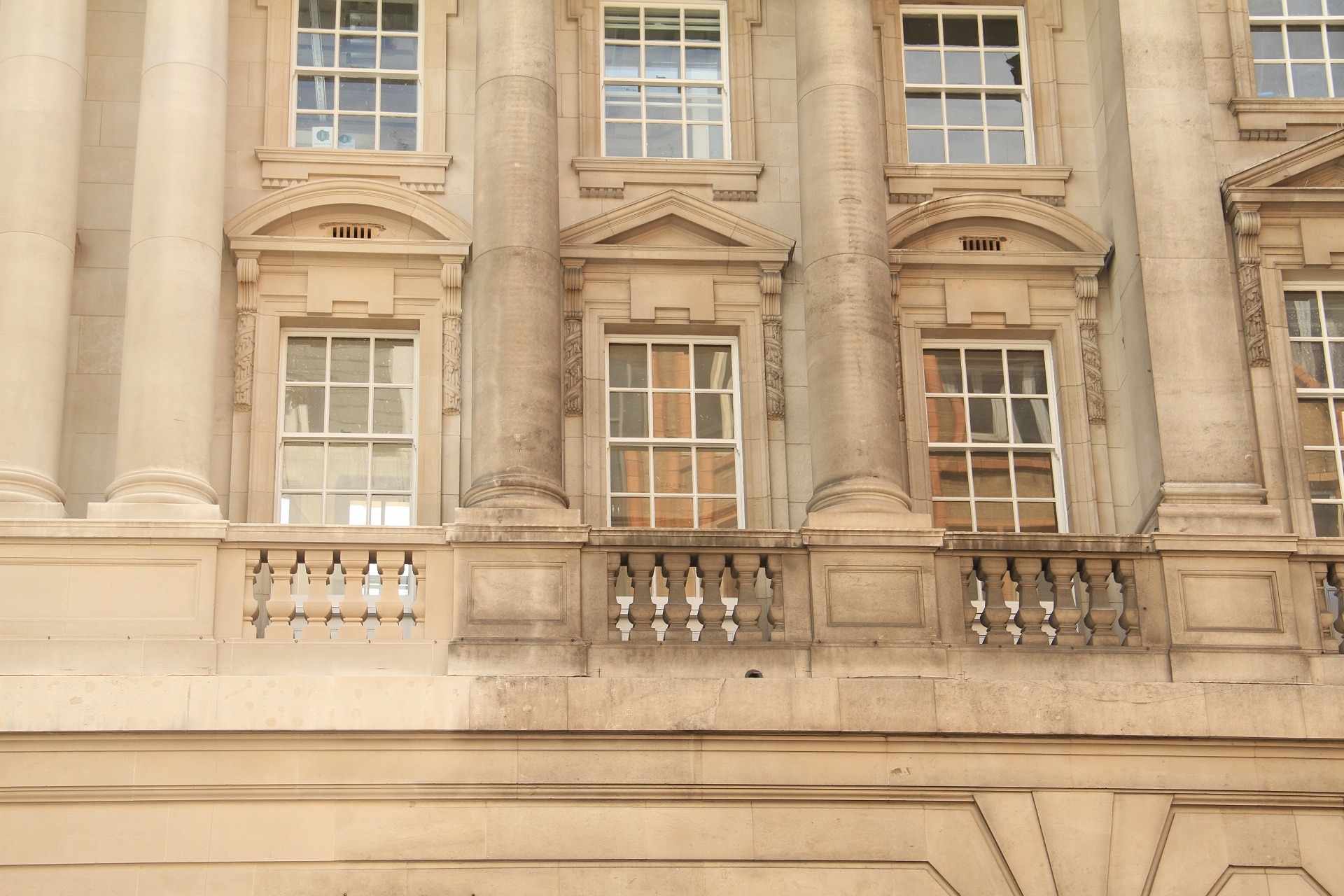
Grade I and Grade II listed buildings represent important parts of the UK’s architectural heritage. Maintaining these environments requires professional cleaning providers who understand the sensitivity of historic materials and the strict regulations surrounding listed properties.
Cleaning methods must therefore be carefully planned and documented. Professional heritage cleaning providers help protect these buildings from long term deterioration while ensuring cleaning activities comply with conservation guidance and legal requirements.
Although Grade I and Grade II listed buildings share similar protection frameworks, their historical importance often leads to different cleaning approaches and levels of scrutiny.
This article explores the key differences between cleaning Grade I and Grade II listed buildings and how professional cleaning providers ensure these sites remain protected.
Why heritage cleaning requires specialist expertise
Historic buildings contain materials and features that require greater care than those found in modern environments.
Traditional stonework, timber structures, decorative plaster and historic glazing can all be vulnerable to damage if unsuitable cleaning techniques are used.
Professional heritage cleaning providers must therefore plan cleaning activities carefully while protecting sensitive surfaces and historic architectural elements.
Heritage cleaning programmes help to:
-
Protect historic building materials
-
Prevent gradual deterioration of surfaces
-
Maintain safe and welcoming environments for visitors
-
Ensure compliance with heritage protection regulations
Historic buildings are often open to the public or used as commercial spaces. Maintaining these environments therefore requires a balance between conservation and practical building maintenance.
Compliance and regulations for listed building cleaning
Cleaning Grade I and Grade II listed buildings requires strict adherence to legal and regulatory frameworks. These regulations ensure historic properties remain protected while allowing necessary maintenance to take place.
Listed Building Consent
Listed Building Consent applies to many works that may affect the character of a protected building.
Historic buildings often receive funding and support from organisations such as Historic England and The National Lottery Heritage Fund. These organisations require properties to follow conservation regulations in order to protect historic features.
Cleaning activities may require Listed Building Consent if they involve interaction with fixtures, surfaces or historic materials that could alter the character of the property.
Routine maintenance may not always require formal consent, but facilities teams should confirm this before work begins.
Seeking guidance early helps prevent unintended damage or potential compliance issues.
Control of Substances Hazardous to Health Regulations
Cleaning products used within listed buildings must also comply with the Control of Substances Hazardous to Health Regulations.
These regulations require organisations to manage exposure to harmful substances such as chemicals, dust and biological contaminants.
Historic buildings often contain a wide variety of delicate fixtures and materials. Cleaning providers must therefore carefully assess which products can be used safely.
Many heritage cleaning providers choose environmentally responsible cleaning products that minimise the risk of chemical damage to historic surfaces while protecting indoor air quality.
Health and Safety at Work Act
Health and safety regulations also apply when cleaning historic buildings. Many heritage properties receive large numbers of visitors, meaning environments must remain safe for both employees and the public.
The Health and Safety at Work Act requires employers and contractors to ensure that work activities do not create unnecessary risks.
Cleaning activities may involve equipment such as floor machines, cables or wet cleaning processes. Professional cleaning teams must therefore manage these tasks carefully to prevent slips, trips or other hazards.
Training and safe working procedures help ensure heritage buildings remain safe during cleaning operations.
Differences in cleaning approaches between Grade I and Grade II buildings
Although both types of listed buildings require careful maintenance, their historical significance often influences how cleaning services are planned and delivered.
Grade I listed buildings represent structures of exceptional importance, while Grade II listed buildings are recognised as buildings of special interest that require preservation.
These classifications influence the level of documentation, consultation and caution required during cleaning activities.
Assessment and consent procedures
Before any cleaning services are delivered, heritage cleaning providers must assess the building and its historical features.
This assessment helps identify potential risks and ensures that cleaning methods are appropriate for the site.
During the assessment process, cleaning providers typically:
-
Evaluate logistical challenges across the building
-
Identify historically significant materials and features
-
Review conservation requirements
-
Confirm whether Listed Building Consent is required
Grade I listed buildings usually require more extensive consultation with conservation officers and regulatory bodies.
Grade I listed buildings
Grade I buildings are considered to be of exceptional national or international significance. Examples include historic cathedrals, stately homes and landmark heritage properties.
Because of their importance, most cleaning work within Grade I buildings requires detailed assessment and approval through Listed Building Consent.
Even relatively minor cleaning tasks may require consultation to ensure historic materials are not affected.
Grade II listed buildings
Grade II buildings represent structures of special interest and are more common throughout the UK.
Cleaning services within Grade II buildings still require careful planning, but the level of regulatory scrutiny may sometimes be slightly lower than that applied to Grade I properties.
Listed Building Consent is still required for major works and certain cleaning activities that may affect historic features.
Methods and materials used for heritage cleaning
Cleaning materials and techniques must be chosen carefully when working within listed buildings.
Inappropriate cleaning processes can cause permanent damage to historic materials.
Cleaning methods for Grade I buildings
Grade I listed buildings require the most conservative cleaning approach.
Cleaning teams working within these environments often use:
-
Non abrasive cleaning methods
-
Traditional or conservation approved materials
-
Low intervention cleaning techniques
-
Specialist conservation guidance
In many cases, cleaning historic surfaces is treated as an alteration to the building fabric. This means that consultation and consent may be required before cleaning work begins.
Cleaning methods for Grade II buildings
Grade II listed buildings still require careful cleaning techniques, but there may be slightly greater flexibility in certain areas of the building.
Traditional and non damaging methods remain essential. Harsh chemicals and abrasive cleaning processes must still be avoided to protect historic materials.
Professional cleaning providers ensure all methods remain appropriate for the building’s materials and conservation requirements.
Exterior and structural cleaning considerations
External cleaning can be particularly sensitive in historic buildings. Stone façades, decorative elements and historic glass can be vulnerable to damage from inappropriate cleaning methods.
Although exterior maintenance does not always fall directly within routine cleaning services, any external cleaning must still follow heritage protection regulations.
Exterior cleaning in Grade I buildings
For Grade I listed properties, external cleaning usually requires extensive assessment and detailed justification.
Cleaning proposals must demonstrate that the work is necessary and that it will not damage the building.
Listed Building Consent is typically required before external cleaning work begins.
Exterior cleaning in Grade II buildings
External cleaning in Grade II buildings also requires careful planning and regulatory approval.
Conservation officers may review cleaning proposals to confirm that the work will not harm the building’s structure or appearance.
Although documentation requirements may vary, the principle of protecting historic fabric remains the same.
Why specialist heritage cleaning providers are essential
Cleaning historic buildings requires experience, training and a detailed understanding of conservation principles.
Professional heritage cleaning providers understand how to balance building maintenance with preservation.
Experienced teams provide:
-
Specialist knowledge of historic materials
-
Cleaning methods that minimise damage risk
-
Compliance with heritage regulations
-
Detailed documentation and risk assessments
By working with professional cleaning providers, facilities managers can ensure historic buildings remain protected while maintaining safe and welcoming environments.
How DOC Cleaning supports heritage environments
Our teams have extensive experience working within historic and heritage buildings across the UK.
We understand the importance of protecting historic materials while maintaining high standards of cleanliness and safety.
Our approach combines careful planning, specialist cleaning techniques and compliance with conservation requirements. We work closely with facilities managers and conservation officers to ensure cleaning services support the long term preservation of each building.
Through careful heritage cleaning programmes, we help protect historic environments while ensuring they remain safe, accessible and well maintained.
Protecting your heritage building
Historic buildings require specialist care to preserve their unique character and structural integrity.
If you are responsible for maintaining a Grade I or Grade II listed property, our team can support you with carefully planned heritage cleaning services designed to protect your building for the future.