
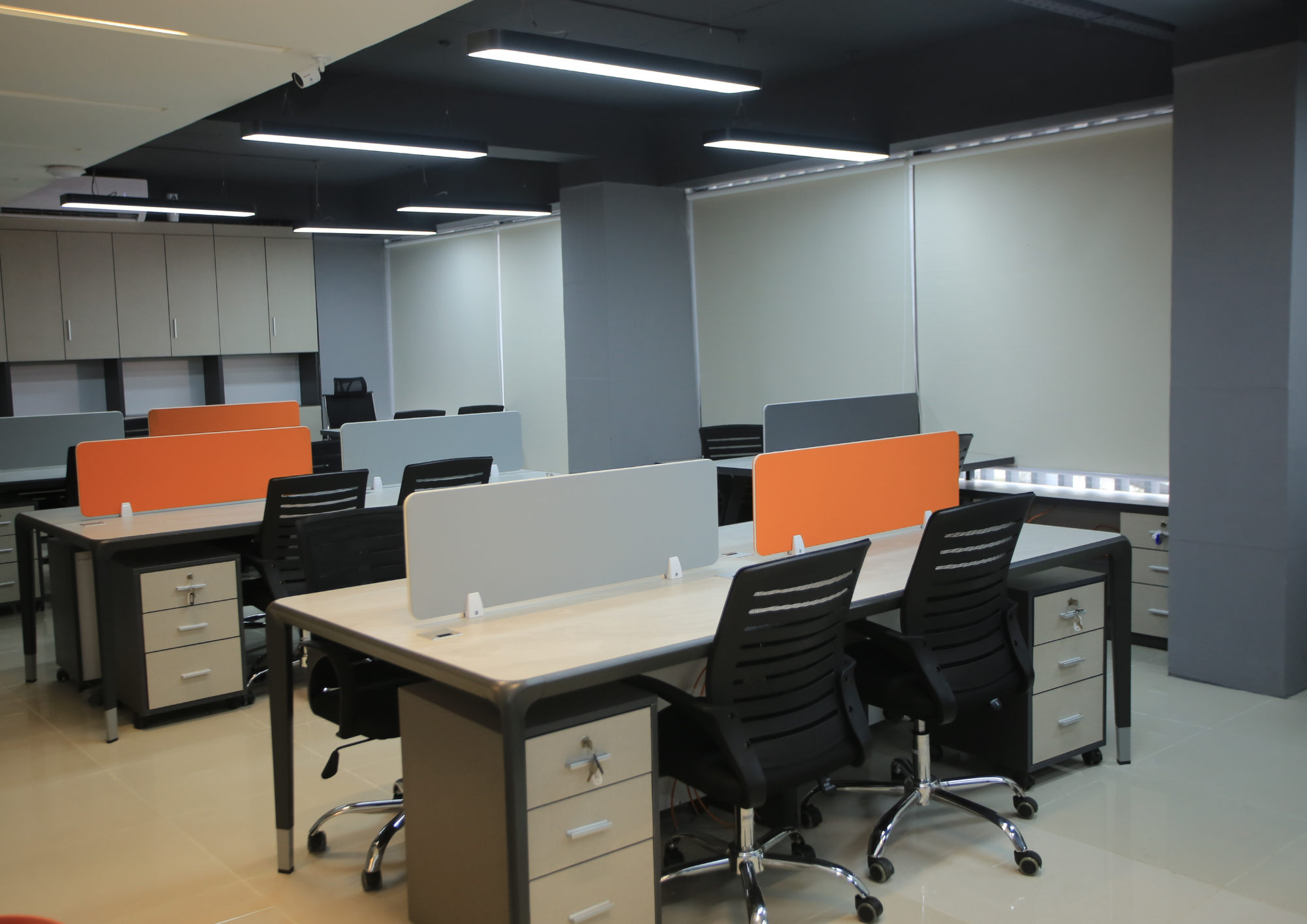
Modern office environments operate with increasing flexibility. Teams may work extended hours, collaborate across time zones or host frequent meetings throughout the day. This means cleaning schedules must be carefully planned so that workplaces remain clean without interrupting important business activity.
Facilities managers often need to balance cleaning requirements with the daily rhythm of the office. High traffic areas must be maintained, shared facilities require regular attention and cleaning teams must work efficiently around occupied spaces.
When cleaning schedules are aligned with how a workplace actually operates, organisations can maintain professional environments while allowing employees to work without unnecessary disruption.
This article explores how to schedule office cleaning around business critical working hours and how thoughtful planning supports both workplace hygiene and operational efficiency.
Why cleaning schedules must align with office activity
Office buildings experience different levels of activity throughout the day. Peak periods such as morning arrivals, lunch breaks and meeting times can make certain areas difficult to clean without interrupting employees.
By understanding when spaces are most heavily used, facilities teams can schedule cleaning tasks at times that minimise disruption.
Aligning cleaning schedules with office activity helps to:
-
Reduce interruptions during meetings and focused work
-
Maintain professional workplace presentation
-
Ensure cleaning tasks are completed safely
-
Support employee productivity
-
Keep shared facilities consistently maintained
Workplace guidance published by the Institute of Workplace and Facilities Management highlights the importance of aligning building services with workplace usage patterns.
Cleaning programmes that reflect real workplace activity therefore help maintain standards while supporting business operations.
Many organisations integrate office cleaning programmes with wider commercial cleaning services to ensure cleaning schedules remain flexible and responsive to workplace needs.
Identifying business critical working hours
The first step in scheduling office cleaning effectively is identifying the periods when the workplace must remain fully operational.
Business critical hours may vary depending on the organisation, but they usually include the times when employees are most actively working or when client interactions take place.
Core working hours
Most offices have core hours when employees are present and actively working. Cleaning tasks that generate noise or require access to desks and workstations are usually avoided during these periods.
Facilities teams often schedule more disruptive tasks outside these hours.
Meeting and collaboration periods
Meeting rooms and collaboration areas may experience high demand during certain parts of the day. Cleaning these spaces between bookings or during quieter periods helps maintain standards without interrupting meetings.
Client facing activities
Reception areas, boardrooms and visitor spaces are often considered business critical environments. Cleaning must be scheduled carefully to ensure these areas remain presentable without interfering with client interactions.
Flexible working patterns
Many organisations now operate hybrid working models where employees use the office at different times throughout the week.
Understanding these patterns allows facilities teams to adjust cleaning schedules based on occupancy levels.
| Scheduling factor | Why it matters | Result |
|---|---|---|
| Core working hours | Avoid disruption to employees | Protects productivity |
| Meeting schedules | Maintains professional spaces | Supports collaboration |
| Client visits | Ensures presentable environments | Protects brand image |
| Office occupancy | Aligns cleaning with usage | Improves efficiency |
Practical strategies for scheduling office cleaning
Effective cleaning schedules are built around the natural rhythm of the workplace. Facilities managers often use a combination of early morning, daytime and evening cleaning to maintain standards.
This approach allows cleaning teams to focus on different tasks at appropriate times.
Practical scheduling strategies include:
-
Cleaning shared areas before employees arrive
-
Maintaining washrooms throughout the day
-
Scheduling detailed cleaning after office hours
-
Adjusting schedules during busy periods
Guidance from the British Cleaning Council highlights the value of structured cleaning programmes that respond to how workplaces are used.
By adapting cleaning schedules to building activity, facilities managers can maintain high standards while supporting workplace productivity.
Cleaning tasks suited to different times of day
Not all cleaning tasks need to be completed at the same time. Many organisations divide tasks across different parts of the day to reduce disruption.
Early morning cleaning
Early morning cleaning allows teams to prepare the workplace before employees arrive.
Typical tasks include:
-
Cleaning reception areas
-
Vacuuming open office floors
-
Preparing meeting rooms
-
Restocking washrooms
Completing these tasks early helps ensure the office starts the day in a clean and organised condition.
Daytime maintenance cleaning
Some areas require attention throughout the day. Washrooms, kitchens and high traffic areas benefit from regular checks to maintain hygiene and presentation.
Daytime cleaning may include:
-
Restocking consumables
-
Removing waste
-
Spot cleaning surfaces
-
Maintaining washroom hygiene
These tasks are usually completed discreetly to avoid disruption.
Evening cleaning
Evening cleaning often allows for more detailed tasks that would be difficult during office hours.
Common evening cleaning tasks include:
-
Desk area cleaning
-
Floor cleaning across large areas
-
Waste removal and recycling
-
Detailed kitchen and breakout area cleaning
This approach allows cleaning teams to work efficiently while offices are quieter.
| Cleaning time | Typical tasks | Benefit |
|---|---|---|
| Early morning | Vacuuming and surface cleaning | Prepares workplace for the day |
| Daytime | Washroom and high traffic maintenance | Maintains hygiene standards |
| Evening | Deep cleaning and floor care | Minimises disruption |
Using communication and planning to support cleaning schedules
Successful cleaning programmes rely on clear communication between facilities teams, cleaning providers and workplace occupants.
Facilities managers often work closely with cleaning teams to review schedules regularly and ensure they remain aligned with how the office is used.
Planning tools such as occupancy data, meeting schedules and workplace feedback can help identify the most suitable cleaning times.
The Chartered Institute of Personnel and Development notes that workplace environments play an important role in supporting employee wellbeing and productivity.
When cleaning schedules are planned carefully, organisations can maintain comfortable and professional workplaces without interrupting business activity.
Why experienced cleaning teams remain essential
Scheduling cleaning effectively requires experienced teams who understand how office environments operate.
Professional cleaning staff know how to work efficiently around employees while maintaining consistent standards across the workplace.
Experienced teams provide:
-
Flexible cleaning schedules that reflect workplace needs
-
Discreet cleaning practices during office hours
-
Knowledge of appropriate cleaning methods for office environments
-
Reliable service across shared facilities and workspaces
While planning and scheduling tools help guide cleaning programmes, experienced teams remain essential for delivering consistent results.
How DOC Cleaning supports flexible office cleaning schedules
Our office cleaning services are designed to support organisations with varied working patterns and operational requirements.
We work closely with facilities managers to understand how each workplace operates and create cleaning schedules that align with business critical hours.
Our teams carry out cleaning tasks at appropriate times throughout the day while maintaining consistent standards across offices, meeting rooms and shared facilities.
By combining flexible scheduling with reliable service delivery, we help ensure workplaces remain clean without disrupting daily business activity.
Creating cleaning schedules that work for your office
Every workplace operates differently, and cleaning schedules should reflect the way your teams use the office.
If you are reviewing how cleaning fits around your organisation’s working hours, our team can help you design a cleaning programme that maintains high standards while supporting productivity.
Explore our office cleaning services or visit our contact page to learn more about how we support workplaces across the UK.